Where Madrid feels like home
Seven neighbourhoods for local character, good streets and an everyday life—plus the tax details to understand before making Madrid your base.
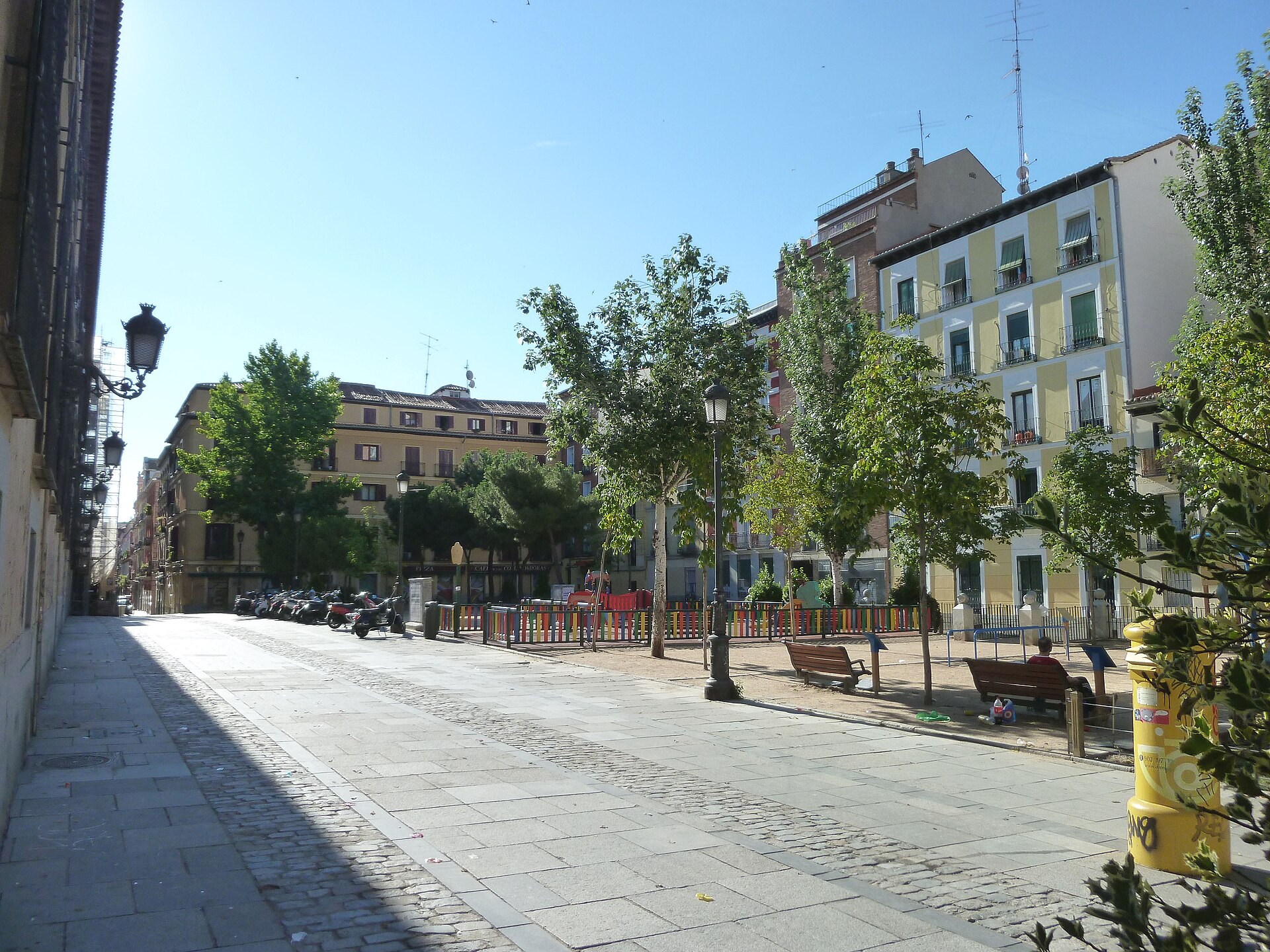
The best address in Madrid may be the one that makes an ordinary Tuesday feel easy.
A place to buy bread. A café where breakfast does not require a reservation. A bar with a few regulars at the counter. Streets worth walking after dinner, and a bedroom quiet enough to make an early morning possible. For someone choosing a home rather than a weekend itinerary, these details deserve as much attention as the postcode.
Madrid has plenty of neighbourhoods that can deliver that life. Some are close enough to the centre to walk almost everywhere; others exchange a little convenience for trees, lower buildings and room to breathe. The useful distinction is between being central and living in the middle of everything.
Our shortlist favours established streets and everyday businesses. These are editorial recommendations, not claims that entire neighbourhoods are quiet or undiscovered. The final choice belongs at the level of the block, the building and the bedroom.
A map for the shortlist
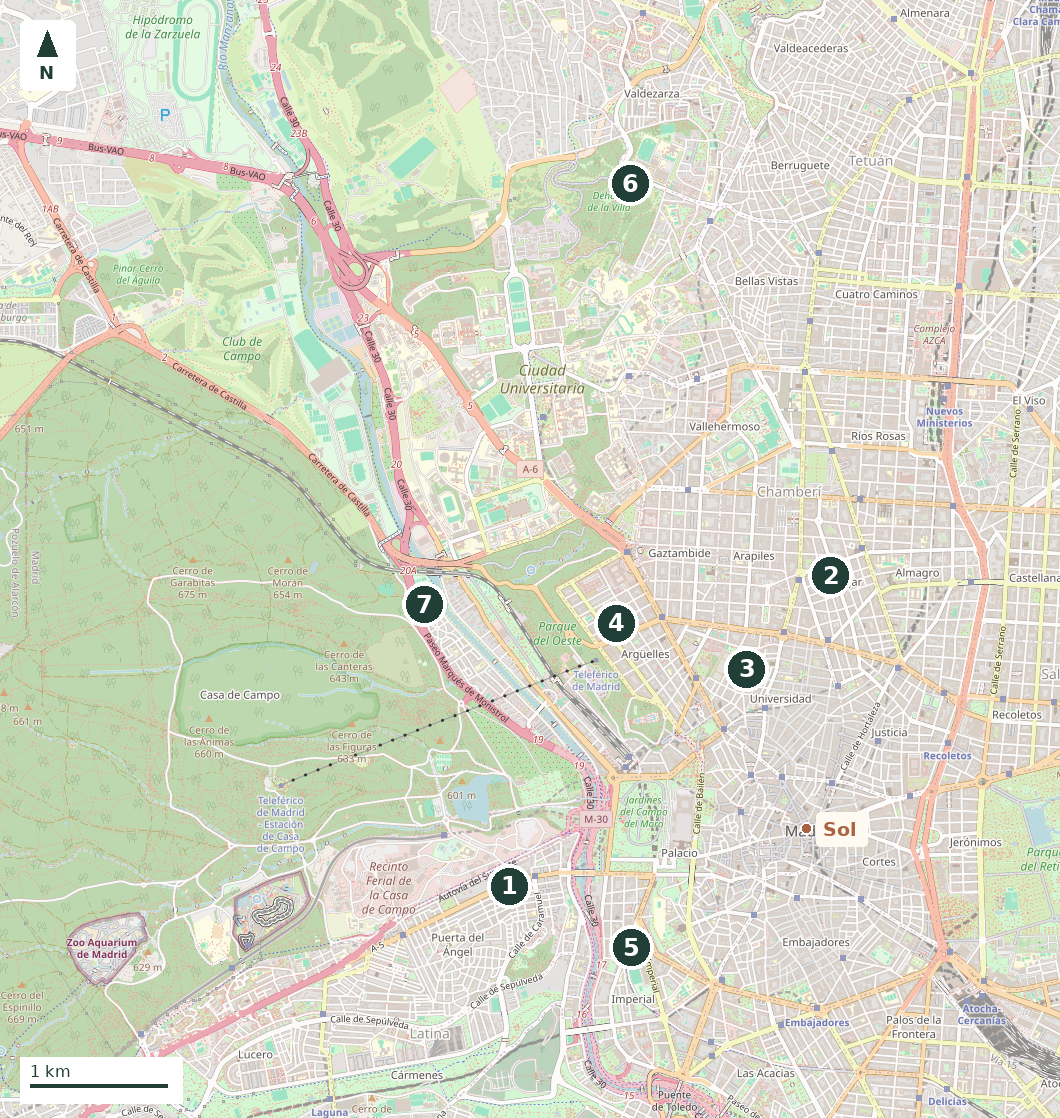
- 1. Puerta del Ángel: markets and Casa de Campo.
- 2. Chamberí: established streets and local shops.
- 3. Conde Duque: small squares and culture.
- 4. Argüelles: residential streets beside the park.
- 5. Imperial: river walks near the older centre.
- 6. Dehesa de la Villa: woodland and a quieter routine.
- 7. Colonia Manzanares: a low-rise enclave; check the works.
1. Puerta del Ángel: a neighbourhood beside the woods
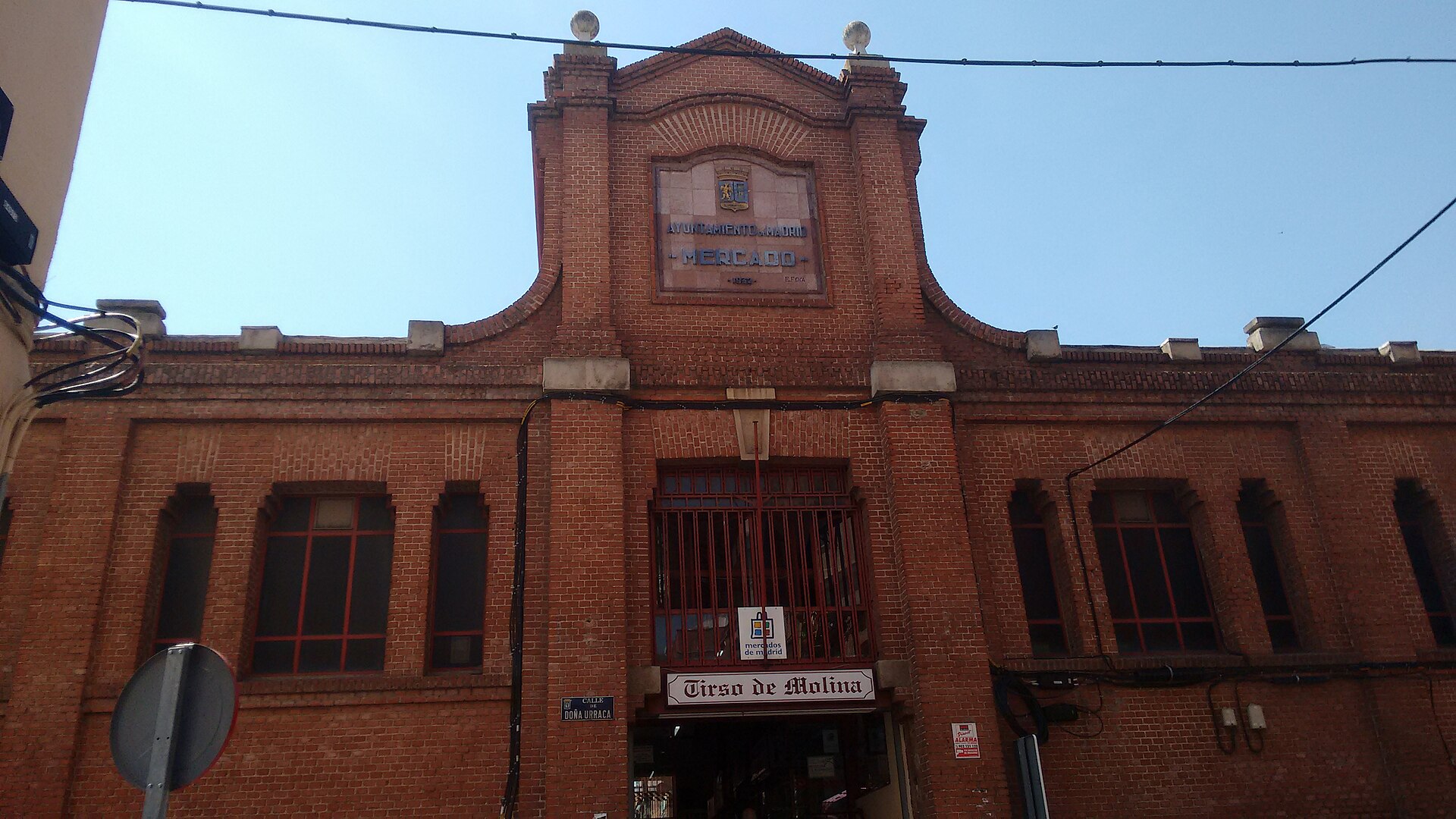
For a mixture of ordinary Madrid life and substantial green space, Puerta del Ángel is the place to start.
Begin around Calle Doña Urraca and Calle Antillón, then walk towards the metro station, Puente de Segovia and the eastern end of Avenida de Portugal. The point is to compare the smaller residential streets with the busier roads, rather than treating every apartment advertised under the neighbourhood name as equivalent.
The anchor is Mercado de Tirso de Molina, Calle Doña Urraca 15. This is across the river in Latina district, not beside the central square of the same name. Designed by Luis Bellido and opened in 1932, it still brings together fresh-food stalls and places to eat. It offers the sort of useful local institution around which a week can take shape. Market details.
For coffee, Fresh and Nature advertises an on-site bakery, slow-fermented bread and specialty coffee. Nofin, at Puente de Segovia 3, adds a contemporary café and all-day dining option with a cycling connection. These are places to try, not a claim of firsthand tasting. The ordinary bars between them may turn out to be the more useful daily stop. Fresh and Nature · Nofin.
Then there is Casa de Campo. Follow the route from a prospective apartment all the way into the park and continue beyond the lake and restaurant cluster. Its scale, wooded ground and longer paths offer a different experience from a compact formal garden. A home near the right entrance can make a proper outdoor morning part of everyday city life. Park information.
The compromise is the street environment during the A-5 transformation. A council notice dated 26 October 2026 describes a temporary diversion around Huerta de Castañeda and Paseo de Extremadura from 27 October to 9 November. That is one dated disruption within a larger project, not a completion date for all the works. Check the actual walk and the actual bedroom before signing. Current council notice.
Best for: someone who wants a lived-in neighbourhood, independent businesses and frequent woodland runs. Look closely at: road exposure, slopes, insulation and the distance to a usable park entrance.
2. Chamberí: shop for the street, not the district
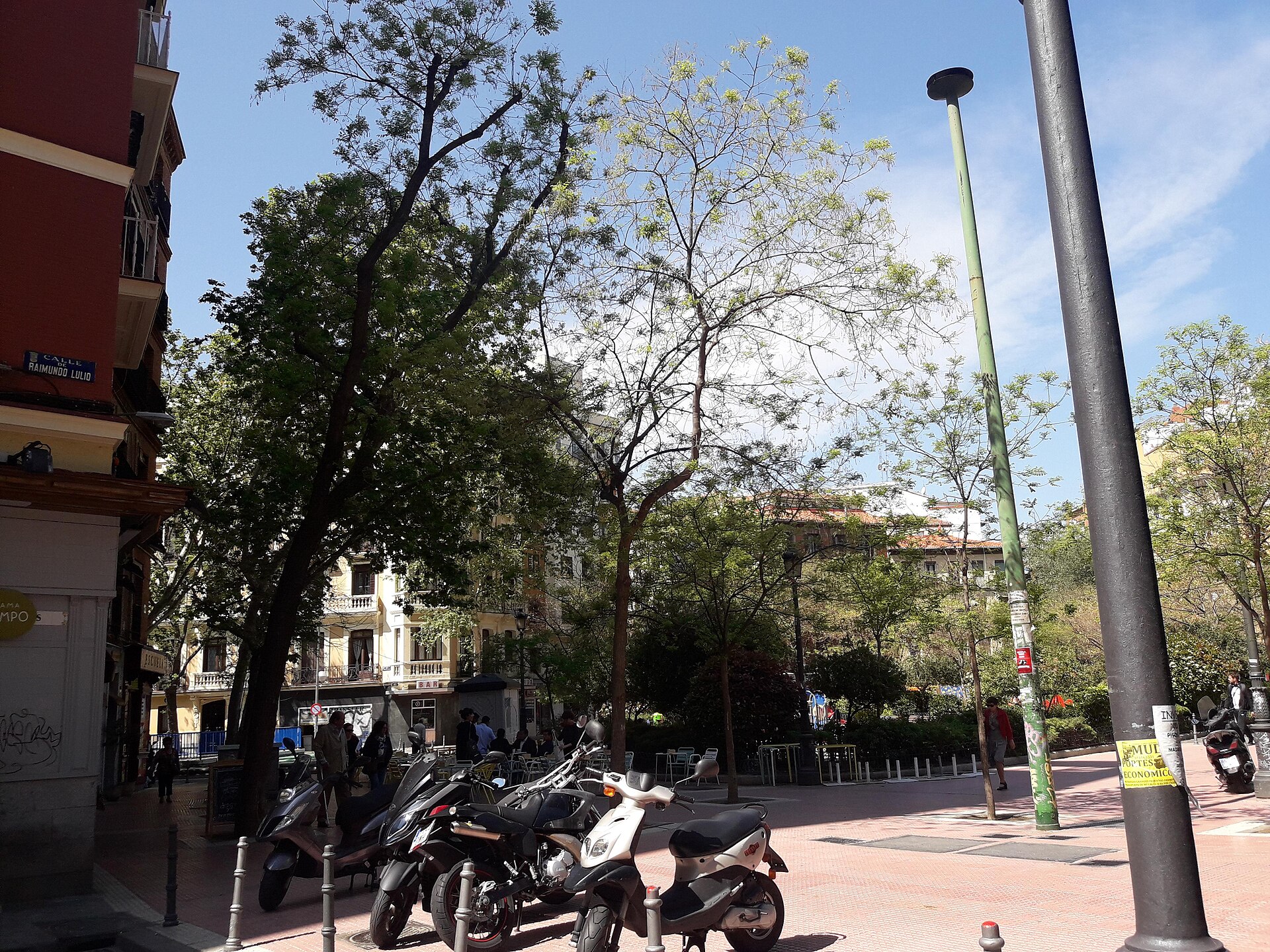
Chamberí is a strong first comparison for anyone who wants a more central address with a recognisable neighbourhood routine. It is also too varied to recommend as one undifferentiated place.
Concentrate on Trafalgar and Arapiles, particularly the streets linking Plaza de Olavide, Quevedo and Mercado de Vallehermoso. Walk Cardenal Cisneros, Gonzalo de Córdoba, Escosura and the market end of Calle Vallehermoso. Treat them as a scouting route; none comes with a guarantee of silence.
Olavide supplies the sociable square. The market at Vallehermoso 36, opened in 1933, supplies a second centre of gravity, combining food shopping with an interesting restaurant scene. An apartment a little away from the most animated terraces may offer a better balance than a balcony directly above them. Chamberí overview · Vallehermoso market.
This is the choice for readers who want their ordinary errands to double as a pleasant walk: groceries, a café, a bookshop, an aperitif and home again. It has the urban texture many newcomers seek without requiring a home in the tourist core.
The compromise is that this remains a dense, desirable part of a major city. Ponzano's restaurant appeal is a reason to visit; whether to sleep beside its busiest stretch is a separate decision. Inspect patios as well as street-facing rooms: an interior bedroom can avoid traffic while still receiving neighbours' conversations, machinery or kitchen noise.
Best for: a central, social life organised on foot. Look closely at: terrace licences and activity, bedroom orientation, daylight and lift access.
3. Conde Duque: small streets, culture and a useful amount of bustle
If historic street character matters most, Conde Duque deserves a careful look.
Make a loop through Calle Amaniel, Calle del Limón, Calle del Conde Duque and Plaza de las Comendadoras. The cultural centre, independent shops and small food businesses give this pocket a different rhythm from the big roads around it. Madrid's tourism office highlights its specialist food shops and bakeries as well as its proximity to Gran Vía, Princesa and Plaza de España. Neighbourhood guide.
Federal, Plaza de las Comendadoras 9, is an easy reference point for an exploratory morning. Its published hours currently begin at 9 a.m.—a useful reminder that a neighbourhood with excellent coffee is not automatically a neighbourhood with coffee at your preferred waking hour. Check again before visiting. Address and hours.
Conde Duque is already fashionable in places. Its attraction is the physical scale and concentration of things to do, rather than any promise of obscurity. Use the square as a place to spend time, then inspect side streets for a home. Nearby nightlife and narrow streets can make sound more noticeable than photographs suggest.
Best for: culture, café life and walking into central Madrid. Look closely at: late-night noise, natural light and whether a picturesque building has a practical internal layout.
4. Argüelles: the residential streets behind the park
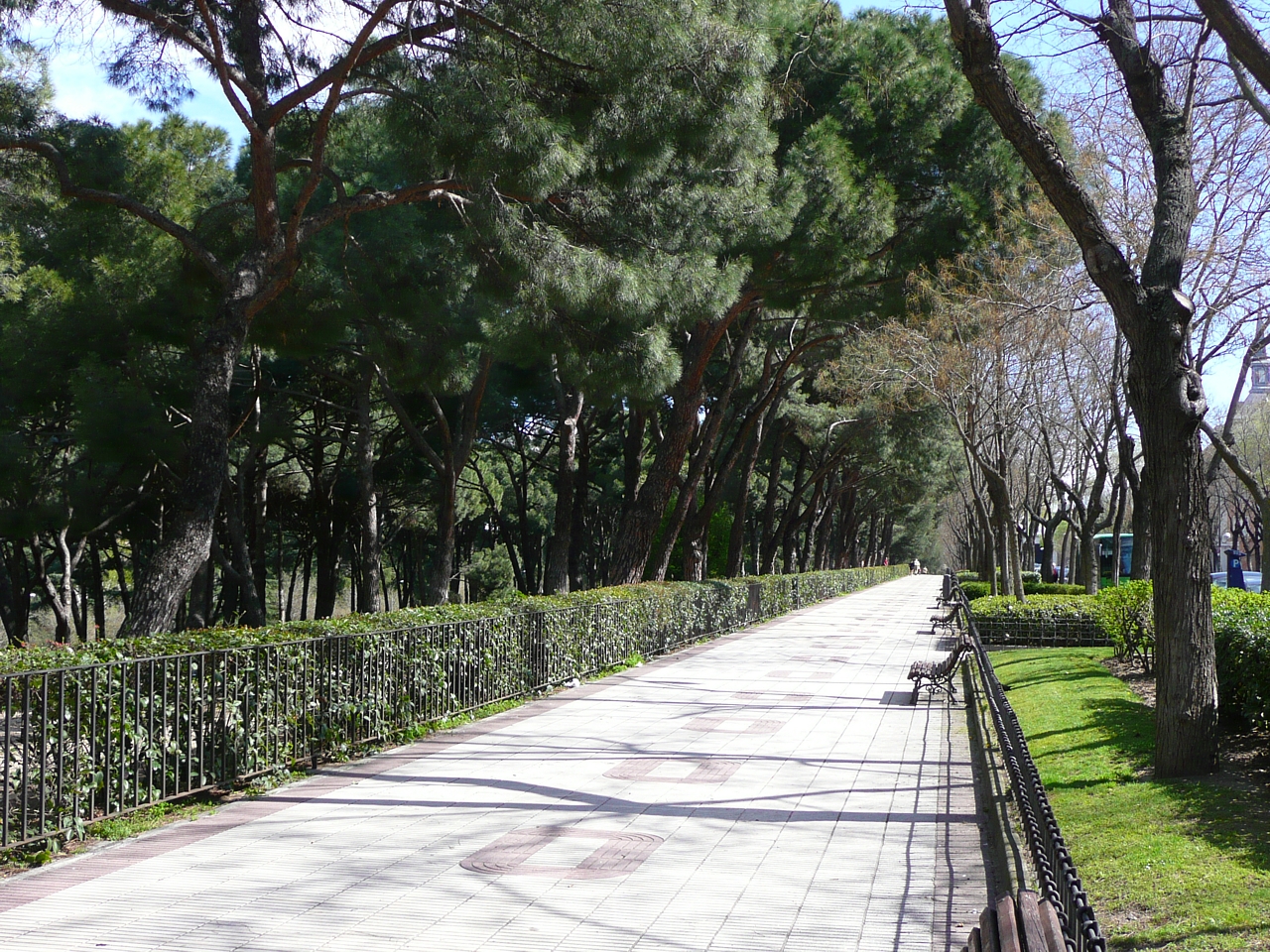
Argüelles offers a useful middle ground for someone who wants the city close and a green edge nearby.
Walk Calle Ferraz and Calle Juan Álvarez Mendizábal, using Marqués de Urquijo as a cross-street, then move towards Paseo de Pintor Rosales and Parque del Oeste. Compare apartments within this pocket rather than assuming an address on Princesa offers the same experience.
Pintor Rosales runs along the park and gives the area a particularly appealing western edge. The park is landscaped urban greenery, not wilderness, but the combination of a residential street grid and open space makes a persuasive case for daily life. Pintor Rosales.
This is a good place to test the full sequence: breakfast, groceries, a walk or run, an hour of work and an evening out. Its appeal is that these can fit into one relatively compact area. The park-facing addresses may feel more formal; moving a few streets inward changes both the outlook and the atmosphere.
Best for: a settled urban base with park access. Look closely at: busy crossings, the difference between park frontage and inner streets, and evening activity towards Plaza de España.
5. Imperial: the river as part of the daily routine
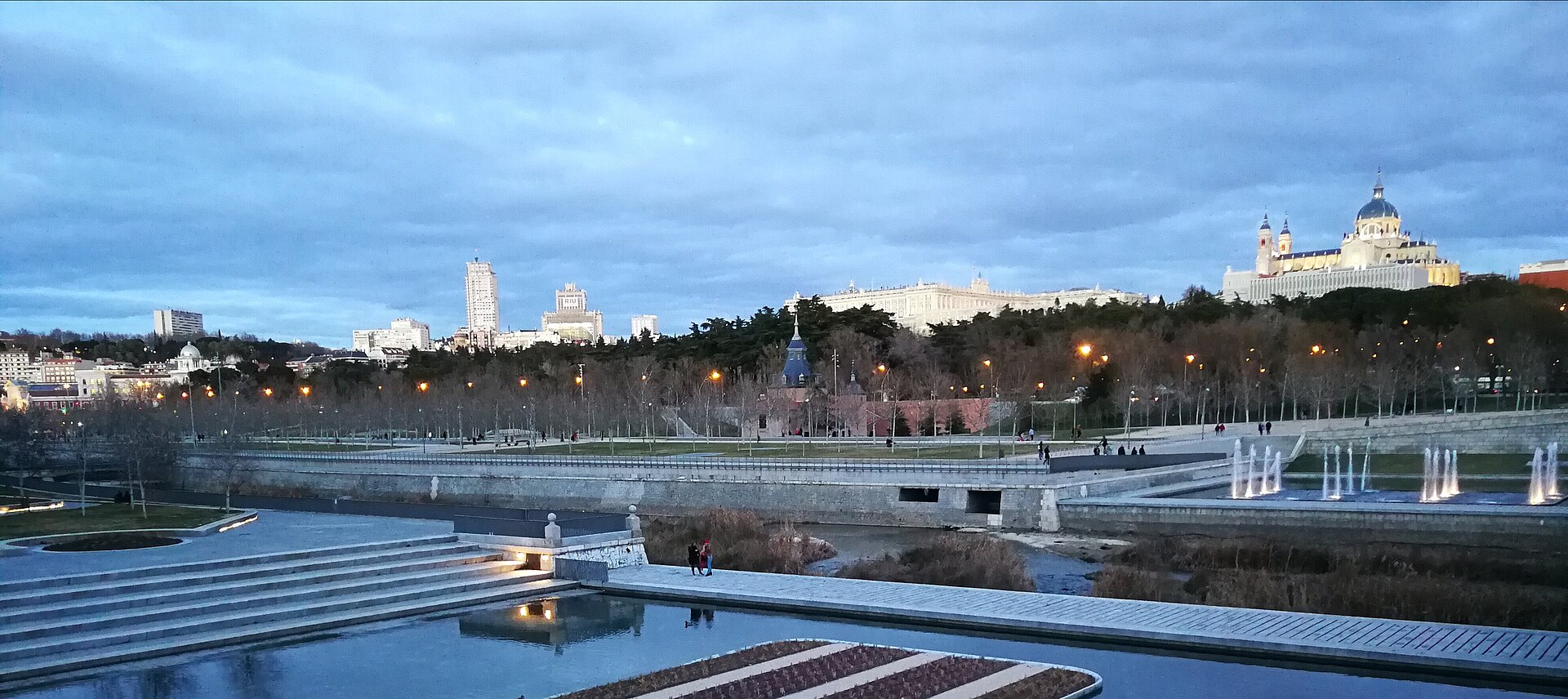
On the city side of the Manzanares, Imperial offers another version of a central life.
Explore Calle Juan Duque, Paseo de los Melancólicos and the streets towards Paseo de los Pontones. The city identifies these streets with Imperial, in Arganzuela. This is a practical search for someone who wants to combine residential streets with repeated access to the river corridor. Municipal street reference.
Madrid Río provides the outdoor thread: walking, cycling, sports facilities and routes between different parts of the city. It is a designed, shared urban landscape. That makes it useful for regular movement, while Casa de Campo remains the stronger option for readers looking for a more expansive woodland setting. Madrid Río.
Choose Imperial for the routine rather than a promise that every block is beautiful. Compare road crossings, building setbacks and the route uphill towards the older centre. A flat that looks close to the river on a map may have a less enjoyable entrance or walk than another a few blocks away.
Best for: frequent walks or runs and a residential base near the old city. Look closely at: the actual pedestrian route, traffic exposure and the balance between older streets and redevelopment.
6. Dehesa de la Villa: when the morning matters most
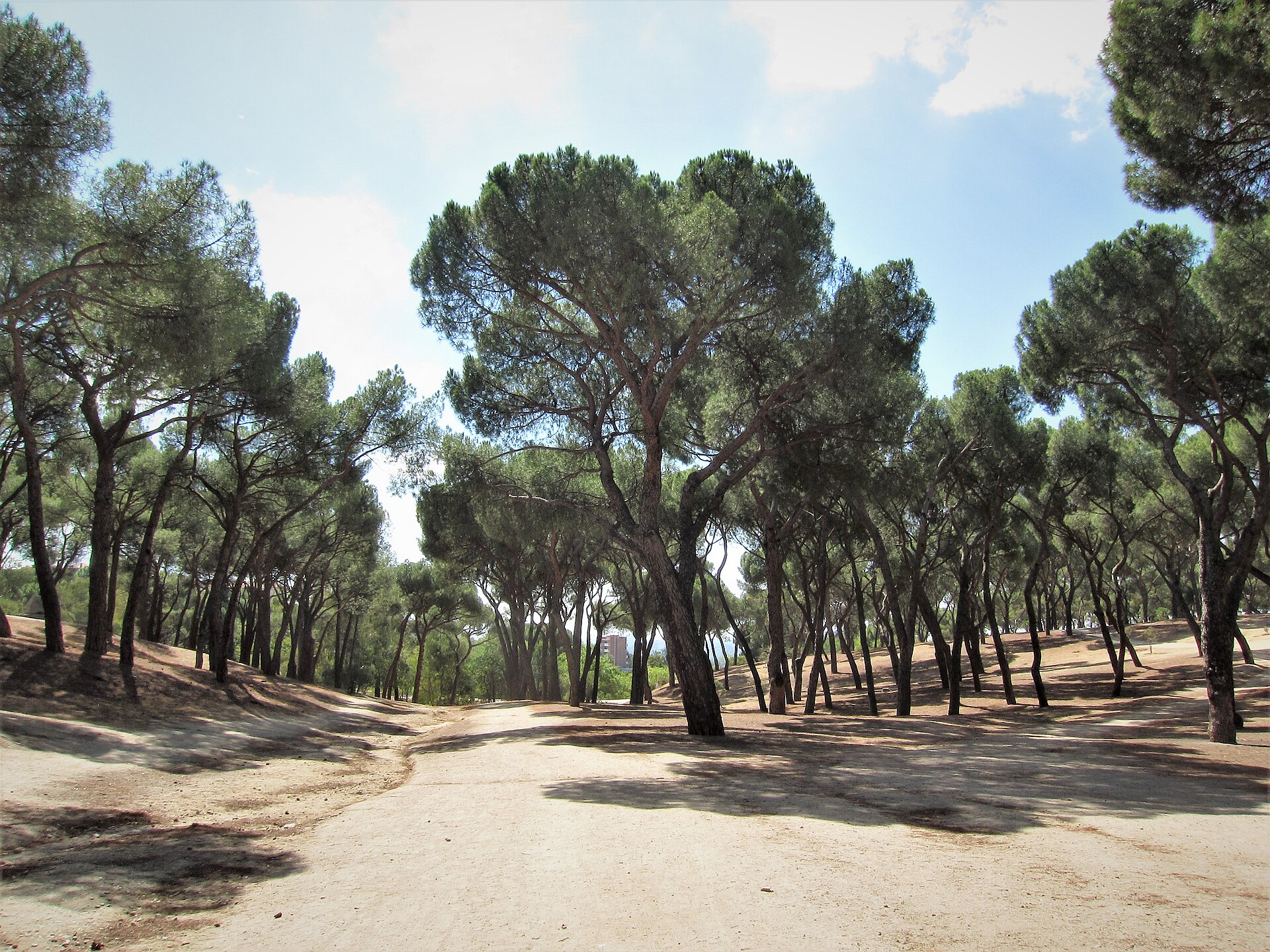
The northwestern edge belongs on the list for readers willing to trade immediate centrality for a more restorative start to the day.
Search around Valdezarza and the park end of Francos Rodríguez, including the approach near Calle Pirineos. This is a connected residential alternative rather than a walk-everywhere central address; test the journey to the places you will visit repeatedly.
The attraction is Dehesa de la Villa itself. The city describes it as a surviving woodland area with pine trees and more landscaped sections beside the urban edge. It lists a running circuit and access through Francos Rodríguez and Valdezarza stations, both on Line 7. Park and transport information.
The housing and streets need to win you over on their own terms. You will generally be looking for a comfortable everyday base, rather than expecting the architectural intimacy of Conde Duque. Find the café, food shop and gym that would make the location work before deciding that proximity to trees is enough.
Best for: early nights, woodland mornings and a calmer residential routine. Look closely at: the uphill walk home, transport connections and whether the local businesses fit your schedule.
7. Colonia Manzanares: the enclave, with a construction caveat
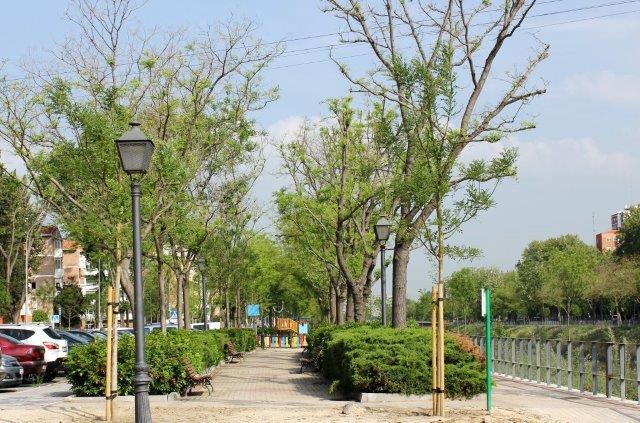
For small streets and lower buildings, Colonia Manzanares is the most distinctive candidate.
The colony dates to 1928. Its street pattern turns around Plaza de la Meseta, with detached and semi-detached homes of one or two storeys. Explore Bahía, Lanzada, Península and Archipiélago, then compare the edges with the interior. Madrid Film Office's architectural description.
The scale is compelling for someone who wants a sense of retreat without leaving Madrid. However, it offers a different density of shops and cafés from Chamberí, and proximity to the M-30 makes position and sound insulation worth testing.
There is also a specific timing issue. The council's 17 September 2026 announcement schedules the third phase of street improvements—including Plaza de la Meseta and those four streets—from autumn 2026 to autumn 2027. A parallel second phase covers further streets, including Manantial, Arrecife, Colina, Continente, Cordillera and Paseo del Comandante Fortea. Planned completion is not a guarantee. Works programme.
Best for: readers attracted to a small residential enclave, especially as a longer-term possibility. Look closely at: the works immediately outside the property, road noise, daily shopping and the walk to transport.
How to choose between them
Start with Chamberí or Argüelles if central convenience and an easy daily routine carry the most weight. Put Puerta del Ángel first if a proper run into Casa de Campo would materially improve your life. Choose Conde Duque for small streets and cultural activity; compare Imperial for a river-based routine. Dehesa de la Villa is the deliberate move farther out, while Colonia Manzanares is a selective search with a dated construction problem.
Spend a weekday morning and an evening in each serious contender. Walk from the exact doorway to a café that is actually open, buy groceries, reach the park entrance and return after dinner. Test the same journey by public transport that you expect to make each week.
In the apartment, check light, ventilation, heating, summer cooling, windows, shared walls and the bedroom. A low floor can be convenient, but a street-level room may mean less privacy and more noise. An interior room may be peaceful or dark. The attractive street and the comfortable home are related decisions, not identical ones.
Before moving: the Beckham regime in brief
Spain's special inbound-worker regime, commonly called the Beckham Law, can make a Madrid move more attractive, but it is an election with conditions—not a benefit granted simply by renting a home or obtaining a visa.
Applicants generally need five preceding tax years of non-residence and a qualifying reason for the move. Routes include eligible employment, remote employment, becoming a company director, an approved entrepreneurial activity, or specified highly qualified professional work. Ordinary freelancing and passive investment do not automatically qualify. It can apply for the year Spanish tax residence begins and the five following tax years, with separate conditions for eligible family members. Eligibility · Duration and family rules.
For the general income base, the headline rates are 24% up to €600,000 and 47% on the excess. Employment income earned during the regime is generally brought into Spanish taxation even when paid from abroad. Foreign-source investment income can generally remain outside its Spanish income-tax scope, subject to correct source and income classification; Spanish-source dividends, interest and disposal gains use a separate scale. AEAT regime overview.
The principal applicant's Model 149 election normally has a six-month deadline, measured from the documented start of the qualifying activity under the applicable social-security or supporting-document rules. Annual reporting uses Model 151. Plan the timing before the move. Election deadline.
For buyers, one less familiar detail matters: AEAT's current guidance says imputed income can apply to an urban Spanish property under this regime even when it is the taxpayer's main home. A foreign company's management and tax position also need their own assessment; the individual's election does not settle the company's obligations. Property-income guidance.
Madrid and wealth tax: the distinction that matters
Madrid's reputation for eliminating wealth tax needs an update. Its general 100% regional rebate is suspended while the national solidarity tax on large fortunes remains in force, replaced by a variable rebate designed to collect the relevant burden through Madrid's wealth tax. Wealth tax actually paid is credited against the solidarity tax; the two headline liabilities should not simply be added together. Madrid's current rules · Regional legislation.
The national solidarity calculation includes a €700,000 allowance, followed by a 0% band on the first €3 million of the remaining taxable base. The next bands are 1.7%, 2.1% and 3.5%, with breakpoints at €5,347,998.03 and €10,695,996.06 of that remaining base. These are marginal rates, not a flat charge on total wealth. Assets are assessed at 31 December. Consolidated law, Article 3.
For scale, €5 million of fully taxable net wealth, before the €700,000 allowance and assuming no other exemptions, produces a €4.3 million base and an initial solidarity-tax calculation of €22,100. This is an illustration before income-related limits, credits and the regional interaction—not an individual tax quote. The simple €3.7 million starting point is per person and can shift with exemptions and ownership.
For ordinary Spanish tax residents, worldwide assets generally matter. Wealth-tax scope. Qualifying Beckham-regime taxpayers instead have limited wealth-tax liability for Spanish-situs assets and rights; the solidarity tax follows the wealth-tax scope. Foreign assets are therefore generally outside these taxes while the regime applies, but Spanish property and other taxable Spanish assets remain relevant. AEAT confirms that qualifying residents may elect the applicable regional wealth-tax rules. Certain unlisted companies holding at least 50% of their assets in Spanish real estate can also fall within the Spanish-situs rules, including foreign entities. A Madrid address alone does not establish eligibility. AEAT scope and regional election.
A wealth-tax return can still be required with no payment due when relevant gross assets exceed €2 million. Model the position before arrival, before buying, and again before the special regime ends.
A home for an ordinary week
The financial framework matters because it determines whether a move is sustainable. The neighbourhood determines what that move feels like.
Madrid's strongest proposition may be a modestly sized home on a street with useful shops, a regular breakfast stop and a route into the trees or along the river. Find the place where you would enjoy returning from a trip, unpacking and resuming your week. That is a more durable reason to choose an address than its place on a fashionable list.
Researched 29 October 2026. Street recommendations are editorial judgments based on published geography and local information, not a personal inspection. Construction schedules, business hours and tax rules should be rechecked for the date of a move; tax outcomes require individual advice.
Sources & further reading
- Madrid tourism: Tirso de Molina market2026-10-29
- Fresh and Nature: bakery and specialty coffee2026-10-29
- Anson+Bonet: Nofin project2026-10-29
- Madrid tourism: Casa de Campo2026-10-29
- Madrid City Council: A-5 diversion, 26 October 20262026-10-29
- Madrid tourism: Chamberí2026-10-29
- Madrid tourism: Vallehermoso market2026-10-29
- Madrid tourism: Conde Duque shopping2026-10-29
- Federal Comendadoras: address and hours2026-10-29
- Madrid tourism: Paseo de Pintor Rosales2026-10-29
- Madrid tourism: Madrid Río2026-10-29
- Madrid City Council: Arganzuela street geography2026-10-29
- Madrid tourism: Dehesa de la Villa2026-10-29
- Madrid Film Office: Colonia Manzanares2026-10-29
- Madrid City Council: Manzanares works, 17 September 20262026-10-29
- AEAT: Article 93 special regime, updated 2 October 20262026-10-29
- AEAT: scope of the special regime2026-10-29
- AEAT: Model 149 instructions2026-10-29
- AEAT: six-month election deadline2026-10-29
- AEAT: special-regime tax calculation and imputed property income2026-10-29
- Comunidad de Madrid: wealth tax2026-10-29
- BOE: Madrid Law 12/2023, variable wealth-tax relief2026-10-29
- BOE: consolidated Law 38/2022, Article 3, solidarity tax2026-10-29
- AEAT: limited wealth-tax liability and regional rules2026-10-29
- BOE: Wealth Tax Law 19/1991, Article 52026-10-29
- Photograph and licence: Mercado de Tirso de Molina, Madrid.jpg2026-10-29
- Photograph and licence: El entorno de la plaza de Olavide, más seguro 02.jpg2026-10-29
- Photograph and licence: Plaza de las Comendadoras (Madrid) 01.jpg2026-10-29
- Photograph and licence: Paseo del Pintor Rosales.jpg2026-10-29
- Photograph and licence: Madrid Río 1 mjsm.jpg2026-10-29
- Photograph and licence: Dehesa de la Villa, Madrid.jpg2026-10-29
- Photograph and licence: La Colonia del Manzanares recupera su arboleda 01.jpg2026-10-29
- Map data and attribution: OpenStreetMap contributors2026-10-29