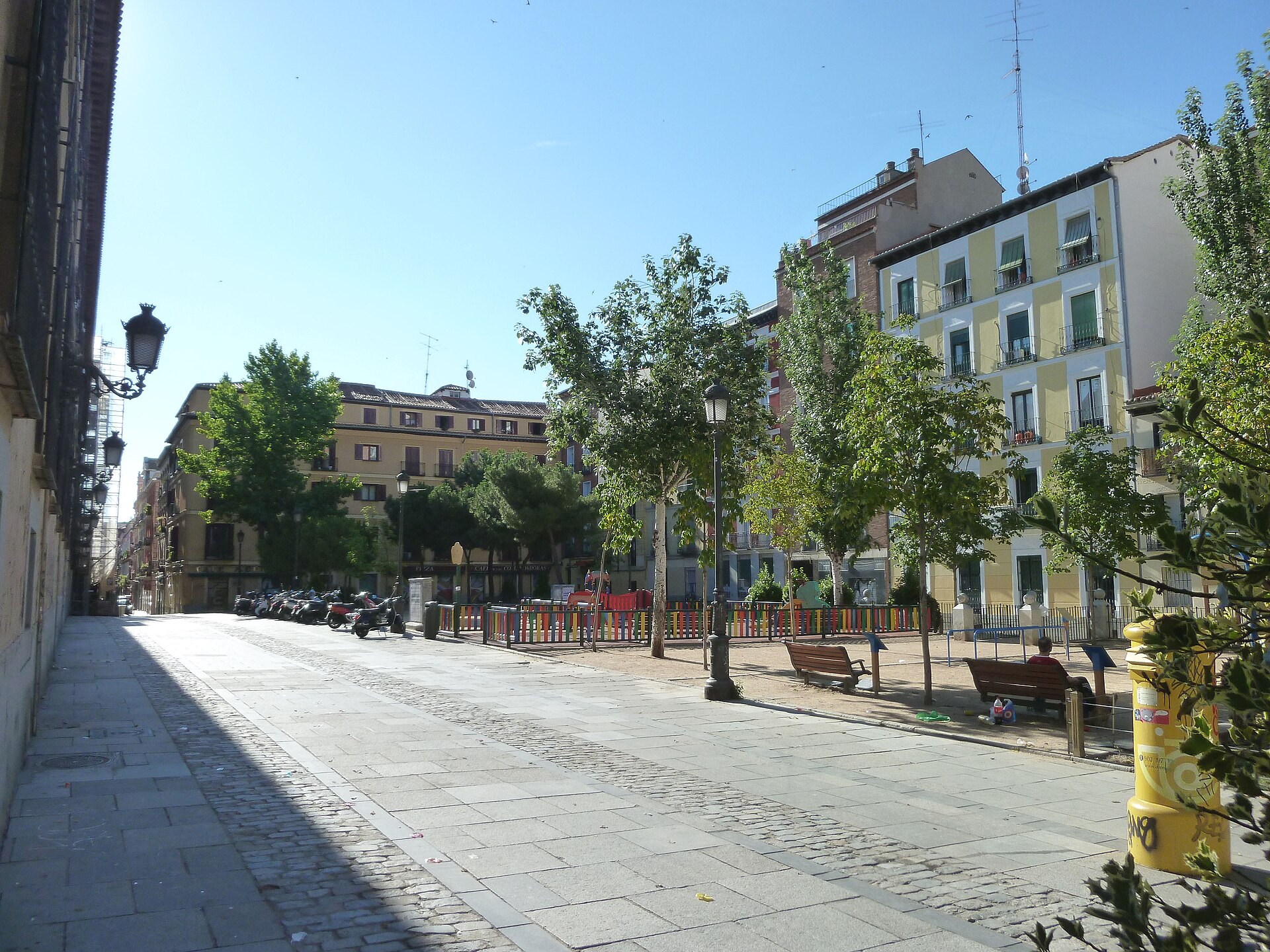
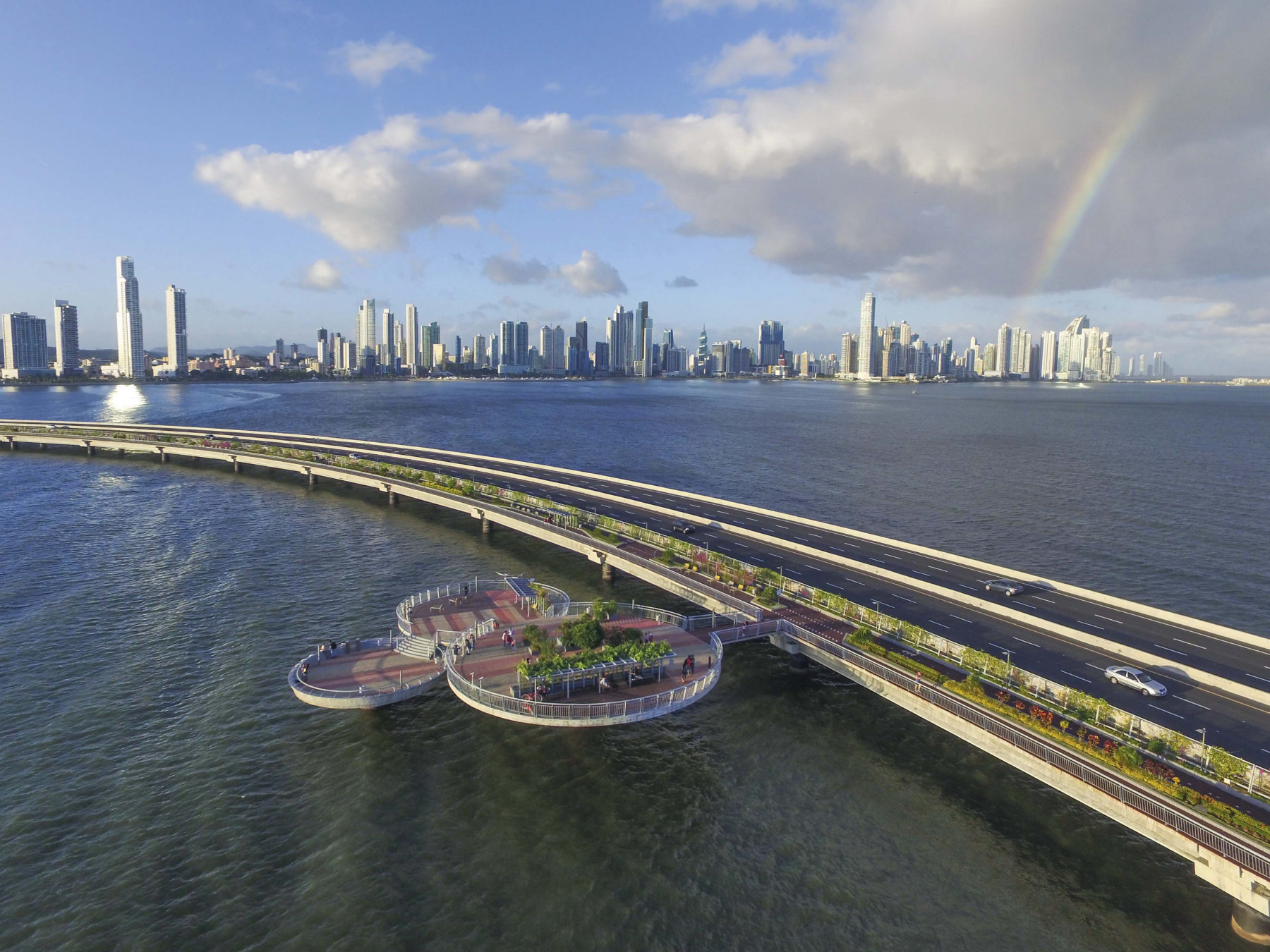
A life between Lisbon and the sea
Nine places to live well, from Lisbon’s everyday neighbourhoods to Cascais and the coast, with a clear-eyed guide to IFICI and the changed citizenship timeline.
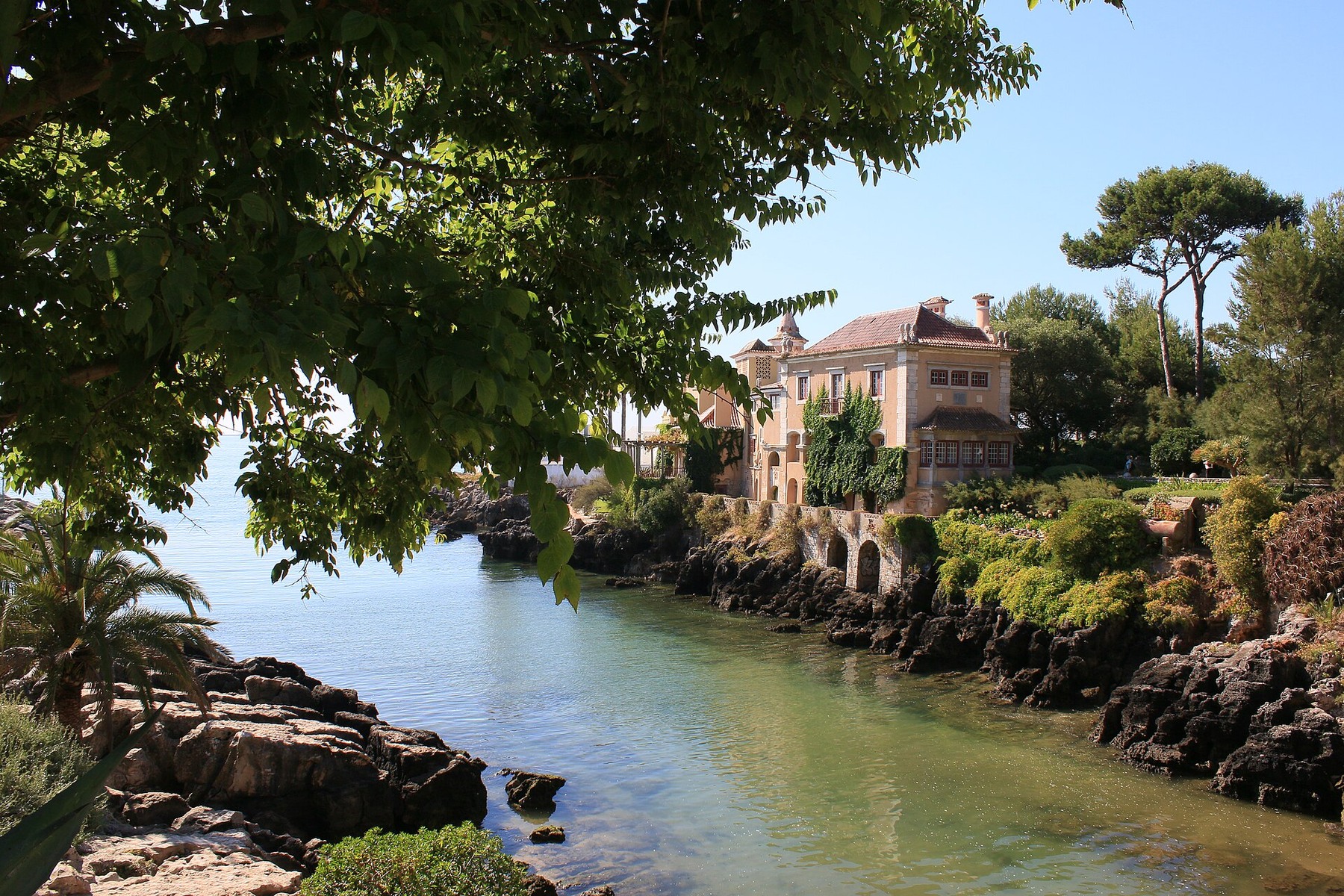
Lisbon is easy to fall for from a viewpoint. Living well here asks a more intimate question: which street would you be happy to come home to on an entirely ordinary Tuesday?
The answer might be a shaded square in Campo de Ourique, a familiar counter in Alvalade or the walk from Monte Estoril station with the sea behind you. The city's appeal survives the practical complications: the hills, the housing compromises and a relocation rulebook that has become considerably less reassuring.
Our shortlist follows everyday life from Lisbon's residential quarters west towards Cascais. These are nine places to investigate for shops, street character and a pleasant daily rhythm. The coastal towns are separate choices, with a commute attached; they are not central Lisbon neighbourhoods. Within each, the exact doorway matters more than the name on the property listing.
The city and the coast
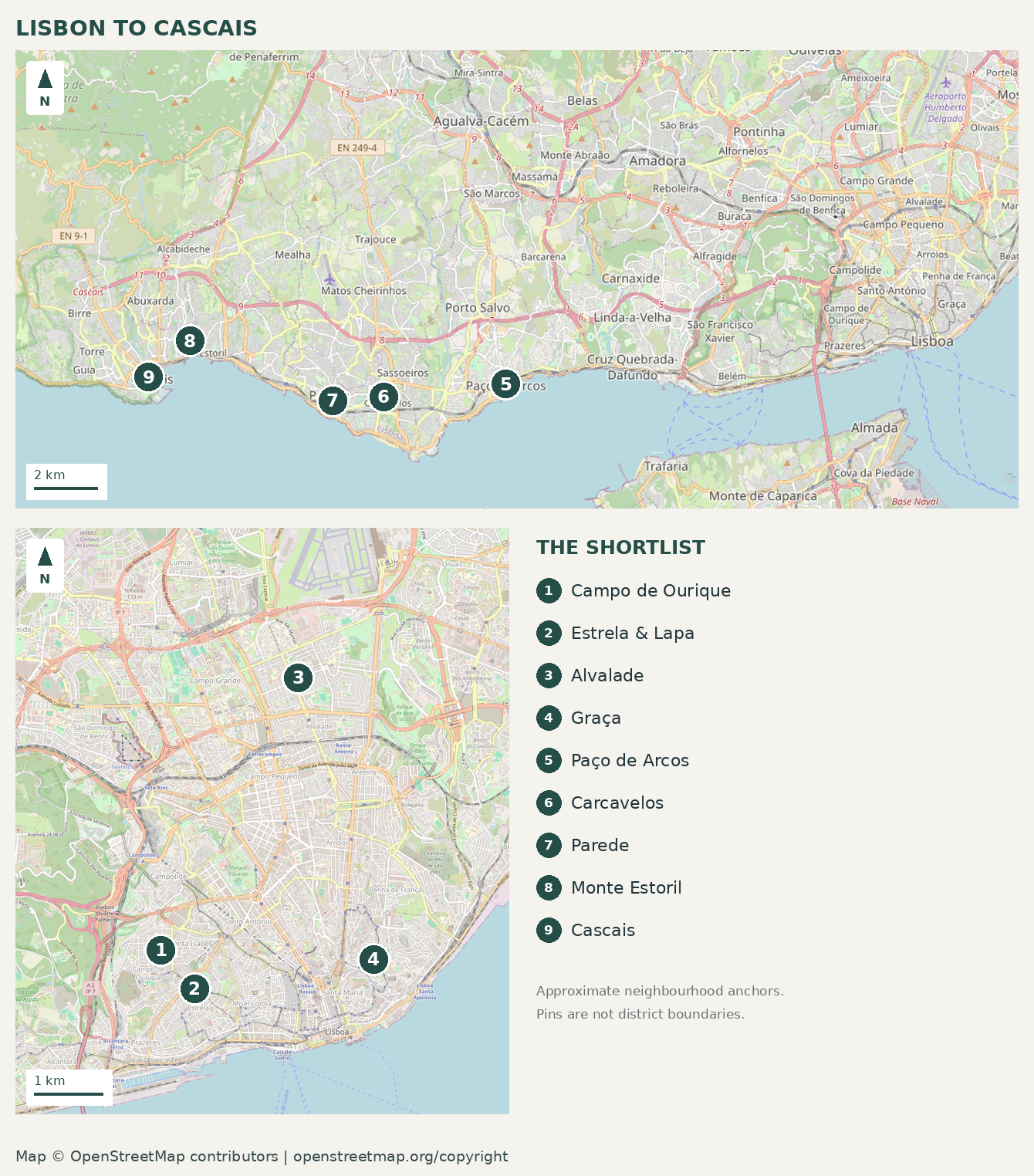
- Campo de Ourique; 2. Estrela & Lapa; 3. Alvalade; 4. Graça; 5. Paço de Arcos; 6. Carcavelos; 7. Parede; 8. Monte Estoril; 9. Cascais.
1. Campo de Ourique
The strongest all-round starting point
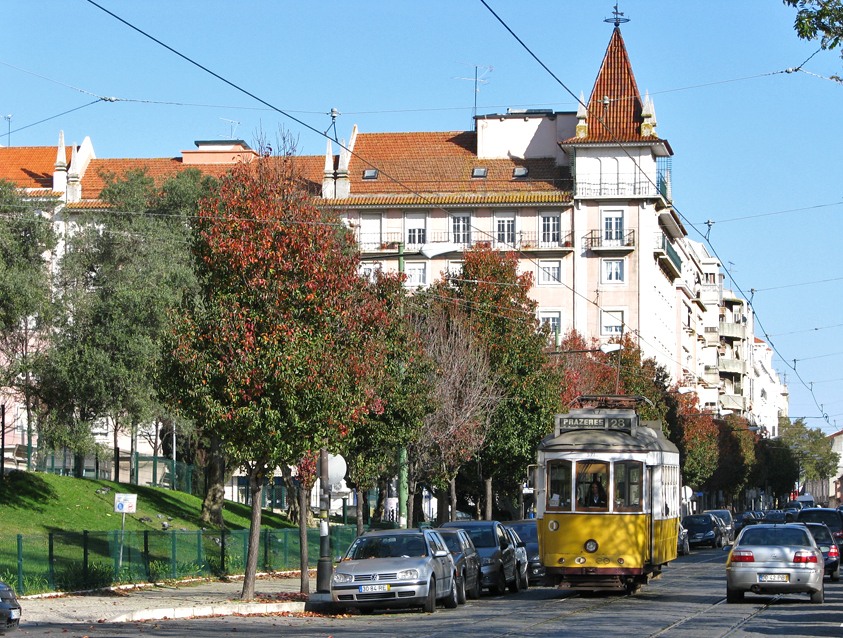
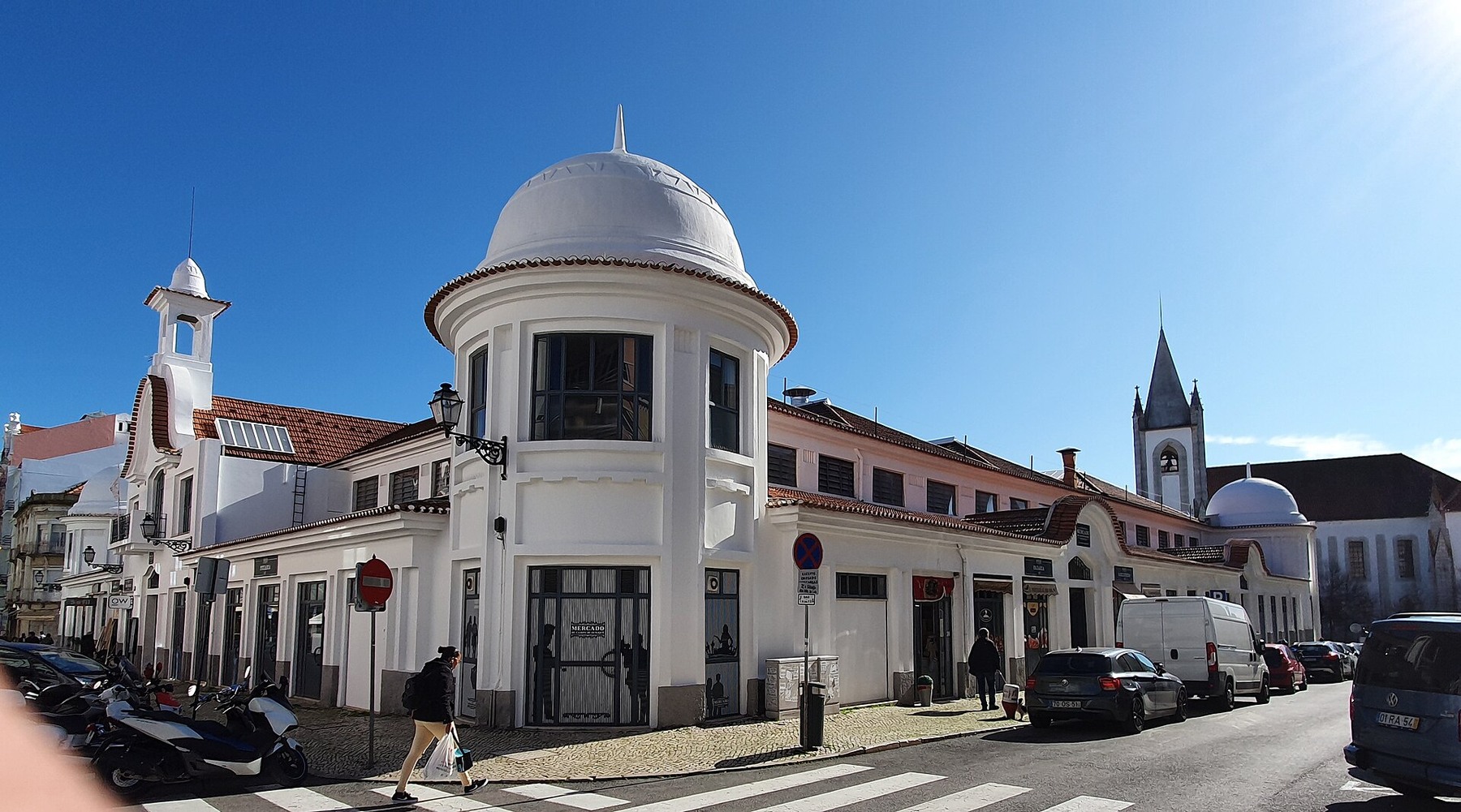
Start around Jardim da Parada, then walk Rua Ferreira Borges and Rua Tomás da Anunciação towards the market. This is a useful little geography: a garden, shopping streets and enough intersecting residential blocks to build a routine without constantly heading downtown. The municipal market gives you an obvious place to orient yourself.
Campo de Ourique is established and increasingly sought after. Its attraction lies in the repeated small errands: breakfast, groceries, a bookshop, another conversation on the pavement. Casa Fernando Pessoa, on Rua Coelho da Rocha, adds a quiet cultural anchor to the neighbourhood. We would begin the apartment search on side streets within this circuit, then compare the bedroom's outlook with the activity below.
The compromise is transport and construction. Choose it because the existing bus, walking and tram options suit your life. The Metro operator's current Red Line project page gives 2030 as its intended operating date, subject to financing approval; an estate-agent promise of an imminent station is not a commuting plan. Around the planned Jardim da Parada station, investigate the actual works and access arrangements before signing.
2. Estrela & Lapa
Gardens, handsome streets and a slower tempo
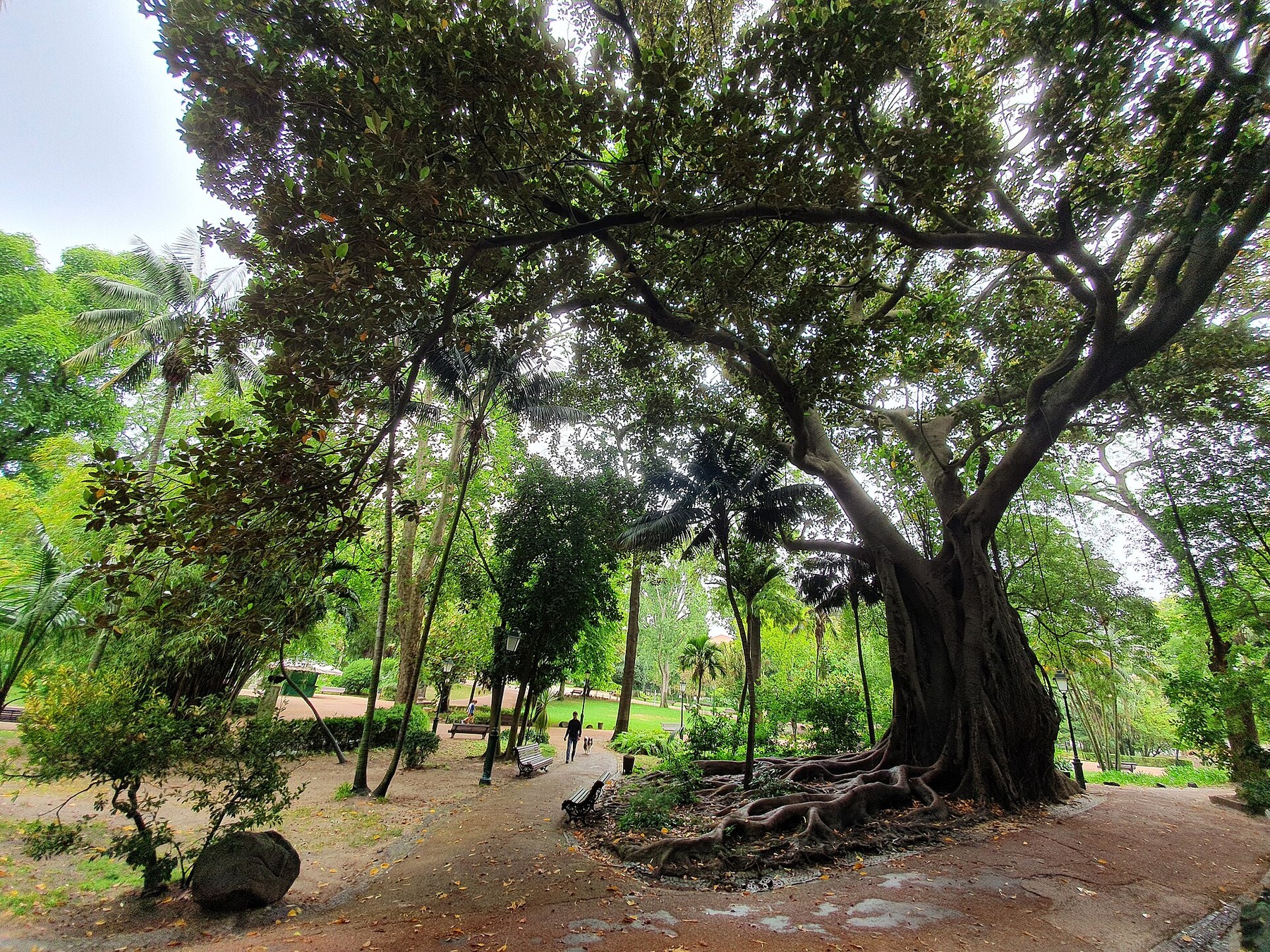
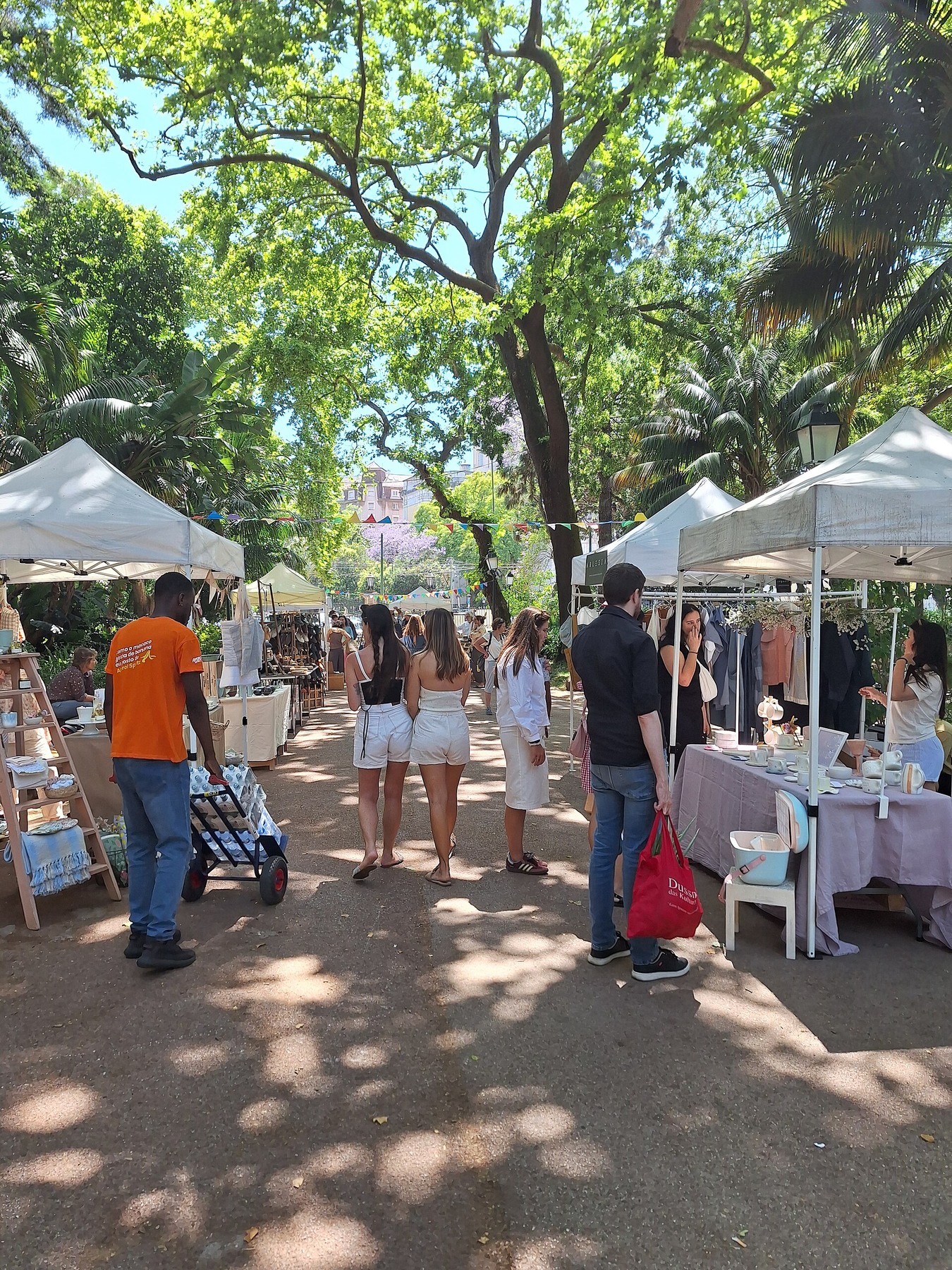
Jardim da Estrela is the emotional centre of this choice: mature trees, paths, places to sit and the basilica opposite one of its entrances. For a first walk, trace Rua de São Bernardo and the garden's edges, then continue into Lapa along the streets around Rua da Lapa and Rua de São Domingos à Lapa.
Estrela makes sense if you want a residential base with a recognisable gathering place. Lapa offers a more dispersed pleasure: façades, balconies and little changes in elevation, with quieter stretches between shops. Those stretches are precisely what you should test. A beautifully restored flat is less useful if every coffee or shopping trip starts with a climb you come to resent.
For daily convenience, we would favour the garden's accessible residential edges over an address chosen solely for its river view. Walk the route to groceries with a bag in hand. Check stairs, lifts and sunlight in the actual apartment, and listen with the windows open. The tram-side streets can feel very different from the next block. This is a good fit for people who enjoy walking slowly through a neighbourhood; runners seeking long, uninterrupted flat routes will need to reach the waterfront.
3. Alvalade
A neighbourhood that works on a weekday
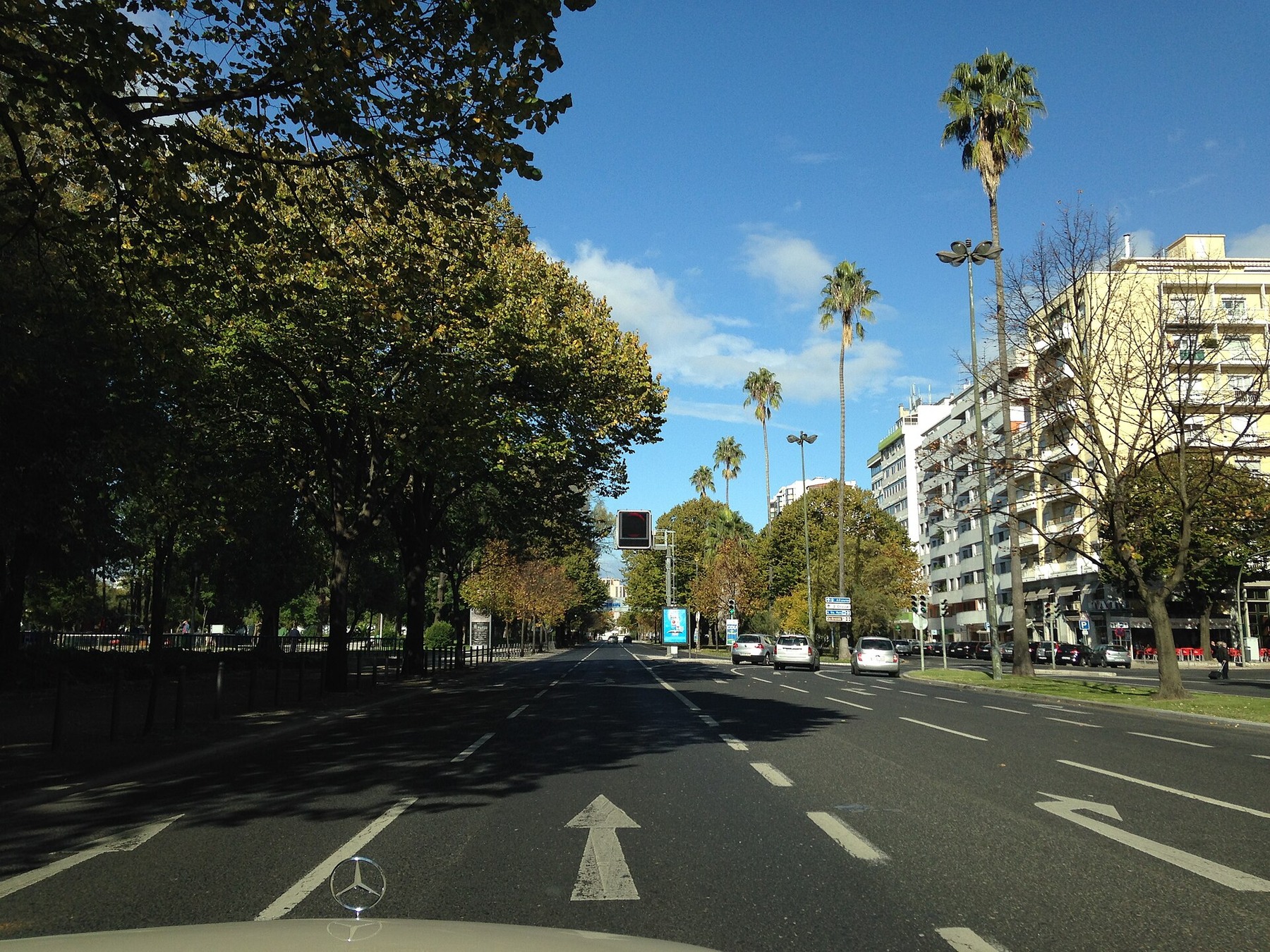
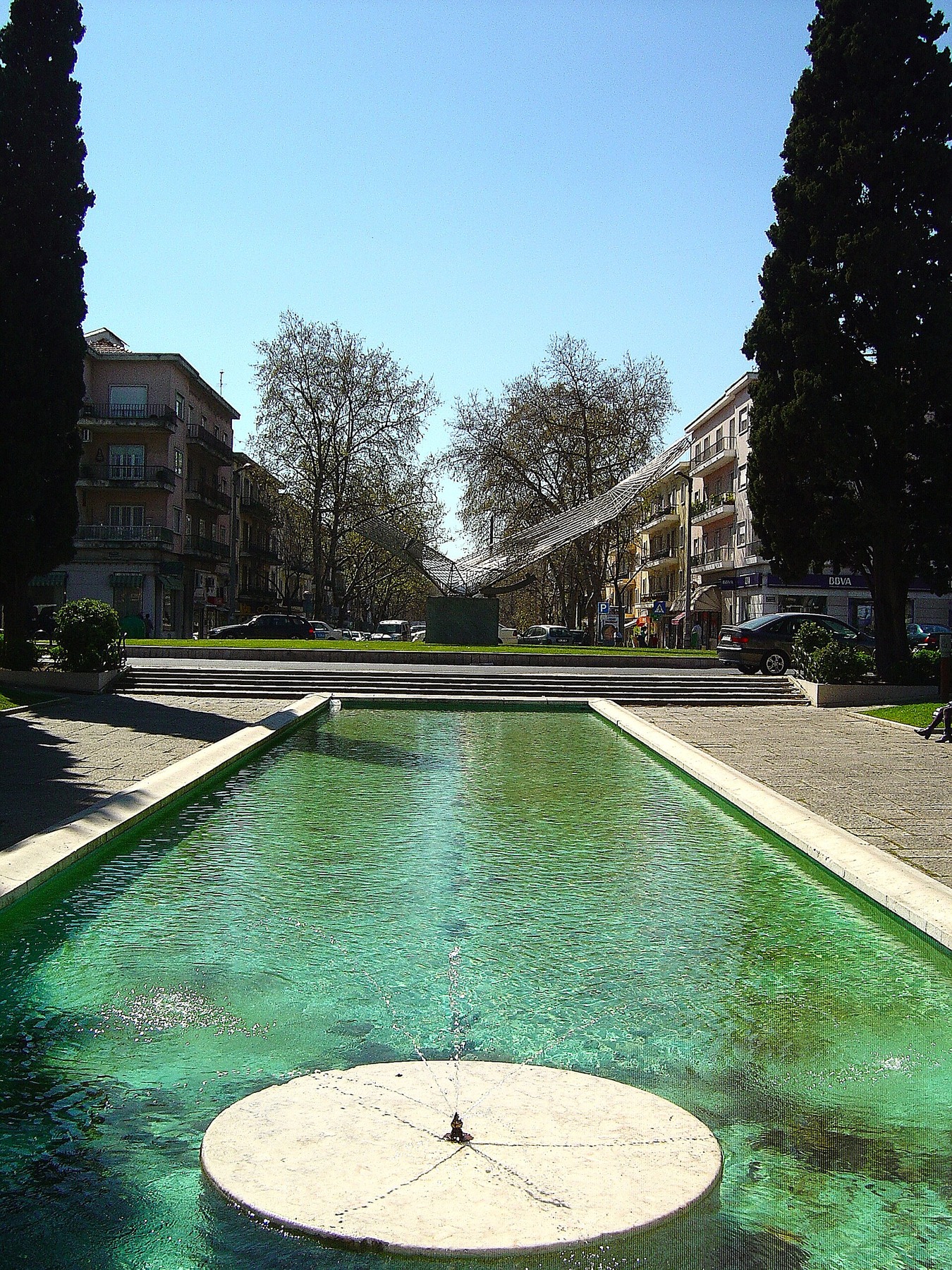
Alvalade belongs on the shortlist because an attractive daily life need not come with a postcard panorama. Begin on Avenida da Igreja, look into the streets on either side, then continue towards Mercado de Alvalade. The parish manages both this market and Mercado Jardim, and its local commerce information places the avenue firmly in the neighbourhood's shopping life.
Here the appeal is a usable combination of shops, services, cafés and residential streets. It is farther north than the historic centre, with the Metro as an important part of the proposition. We would choose a location by the walk between the front door, the avenue and the station, rather than by the broad Alvalade label.
The trade-off is less old-Lisbon theatre, and a different set of noise checks. Listen for road traffic and aircraft at several times of day; do not judge a bedroom from a short midday viewing. Look carefully at the building's maintenance, glazing and summer shade. For someone who wants to buy food, work, meet a neighbour and get on with the day, Alvalade may be more convincing than a much more photographed quarter.
4. Graça
For those who want the city visibly around them
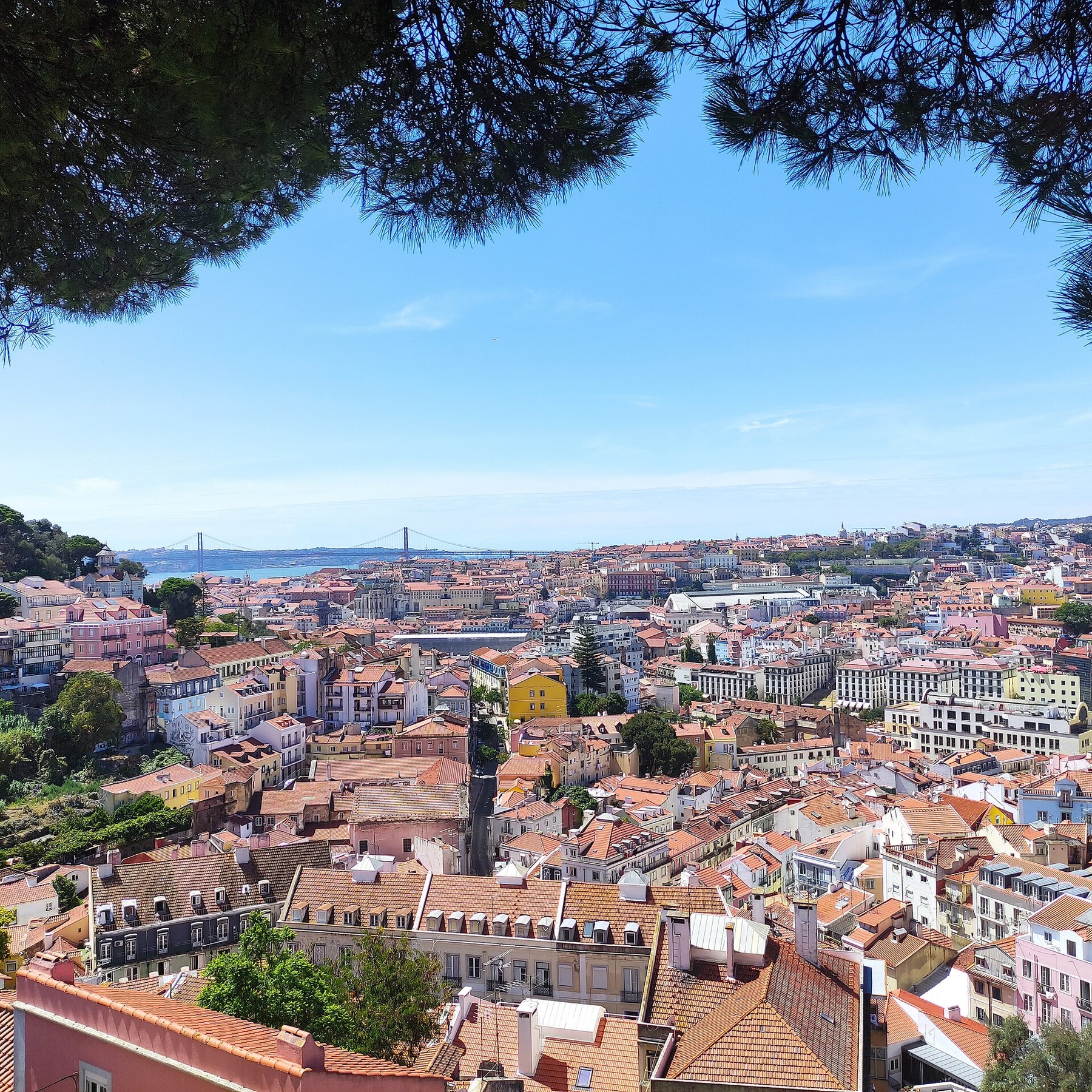
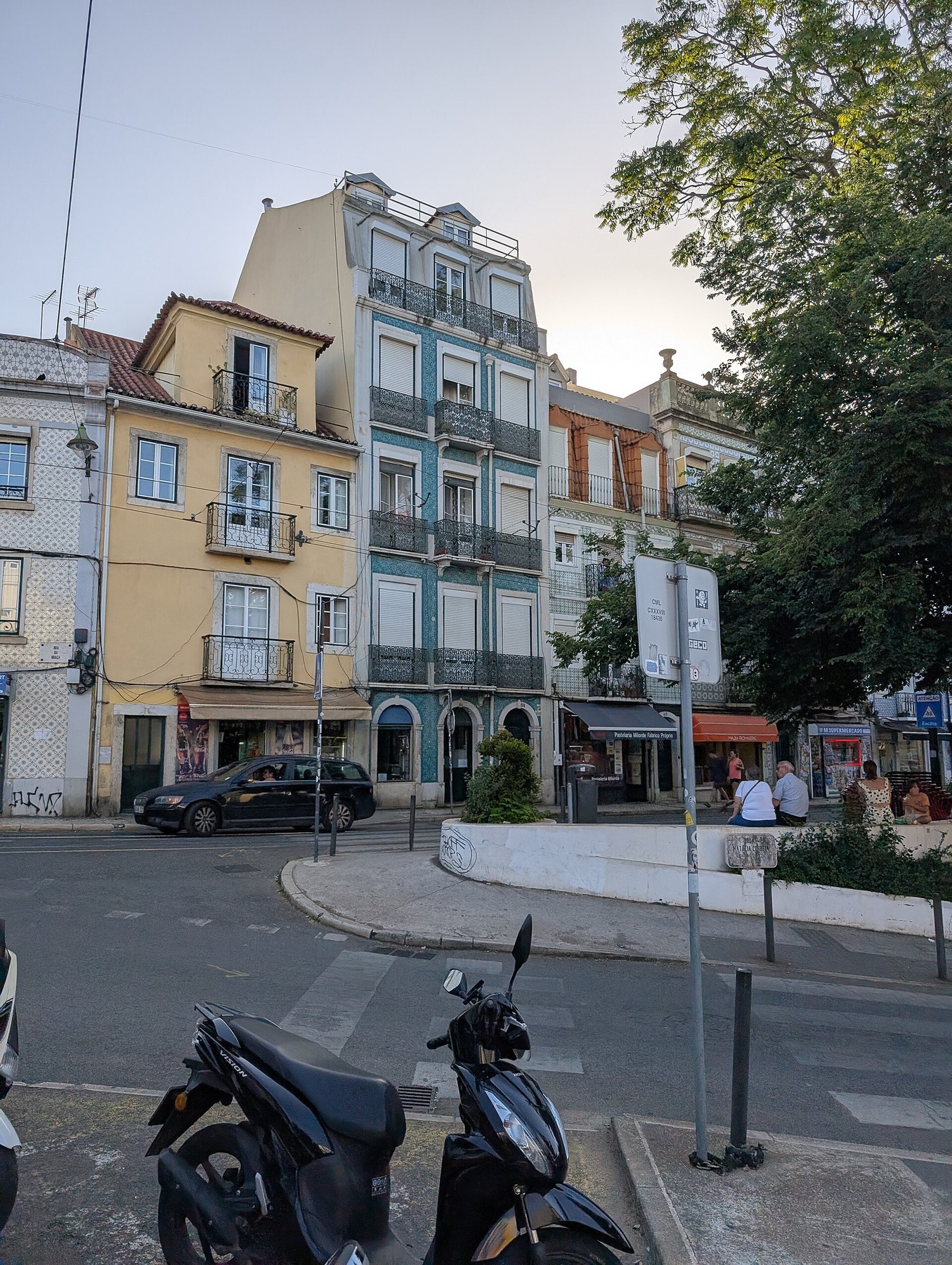
Graça supplies the Lisbon image many people carry in their heads: a city unfolding below a hill, tiled façades and streets with considerable life. Visit Lisboa highlights its viewpoint and the connection with tram 28. For a more useful housing reconnaissance, start on Rua da Graça and Largo da Graça, then walk the residential streets towards São Vicente.
The viewpoint is the reward, but it should not be the whole decision. Ask where you would buy dinner, where you would leave a bicycle and how the walk home feels when it is raining. A side-street flat with a practical shop nearby can serve you better than a spectacular outlook above a busy gathering spot.
This is the most animated historic-city option in our selection. Tourism and ordinary residential life share limited pavement space; gradients and tram activity are part of the setting. We would be selective about ground-floor bedrooms and flats immediately above terraces. For a resident who enjoys stepping straight into the street, the energy can be the attraction. For someone who prioritises silence or easy access, Campo de Ourique, Alvalade or a carefully chosen coastal address deserves an earlier look.
5. Paço de Arcos
A compact coastal centre, before the Cascais rush
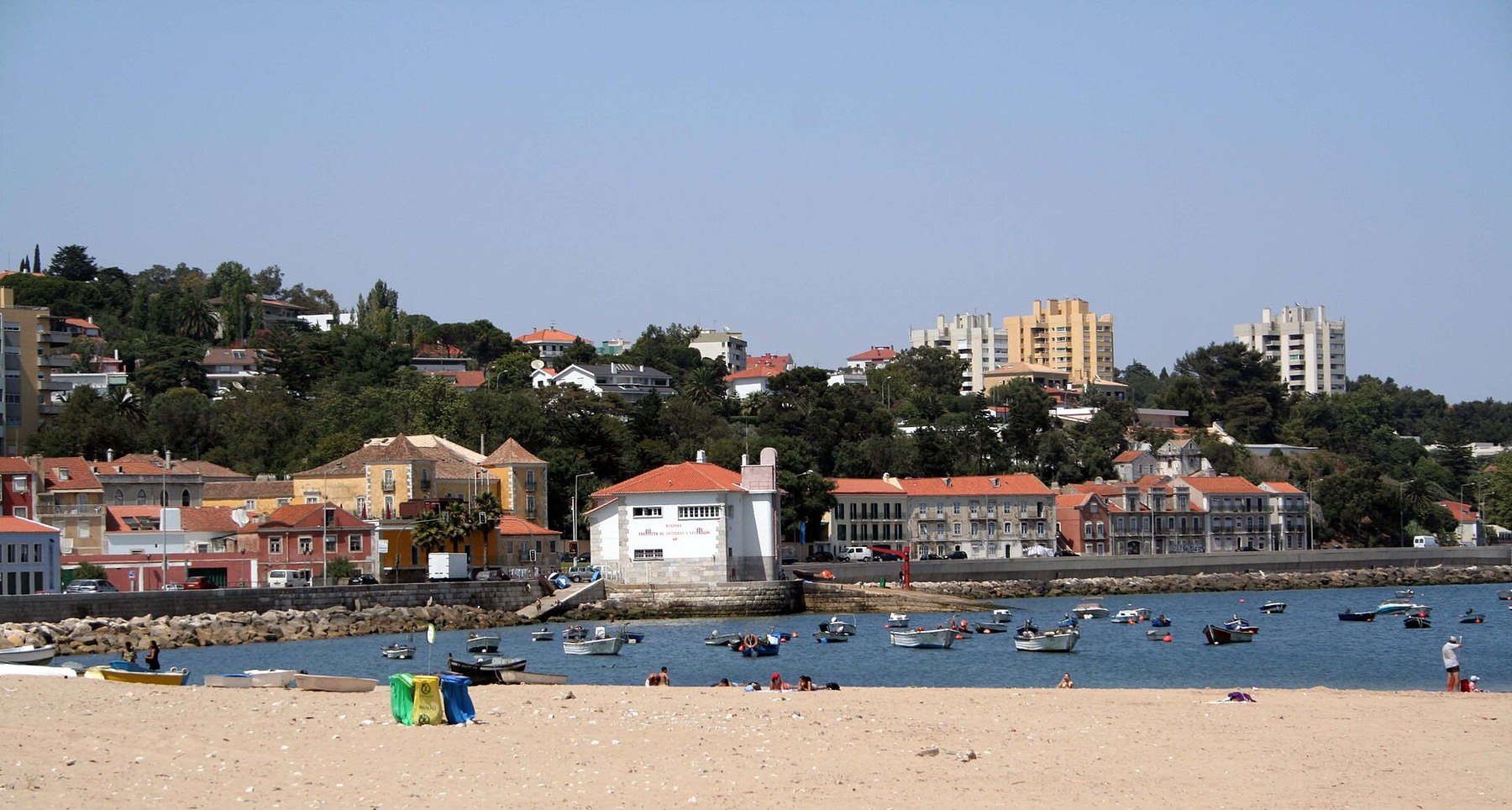
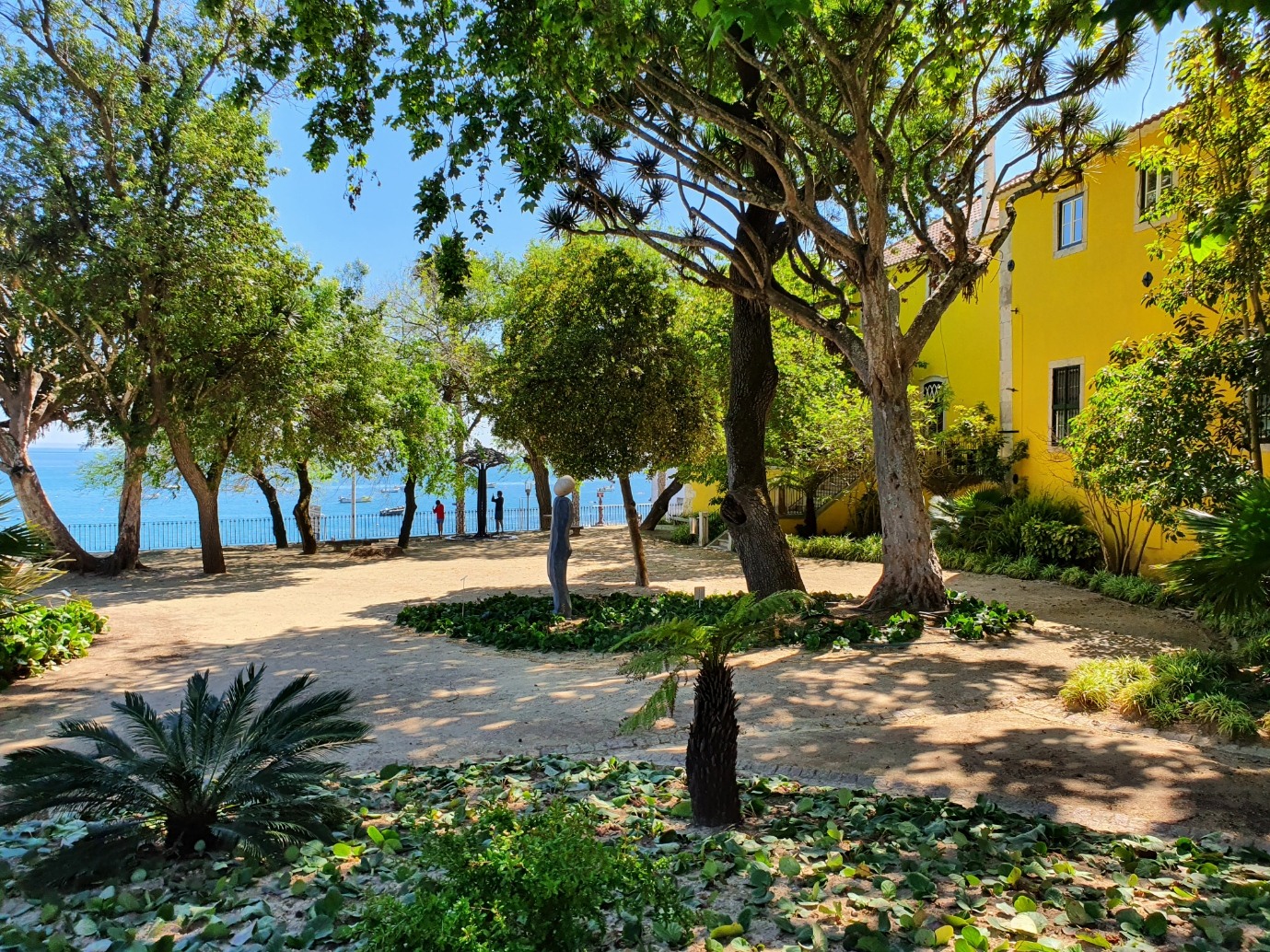
Paço de Arcos is worth getting off the train for. Concentrate first on the older streets around Rua Costa Pinto and Largo Leonor Faria Gomes, then walk towards the waterfront. Its appeal is scale: a recognisable centre that feels like somewhere to belong, with Lisbon still connected by the coastal railway.
The wider Oeiras waterfront adds the outdoor routine. Turismo de Portugal describes Paço de Arcos's principal beach beside the Passeio Marítimo, and distinguishes it from the smaller Praia dos Pescadores. Walking or running by the water is the point of investigating this stretch; it should be an actual route from your door, not merely a blue patch on a listing's map.
Railway and road crossings matter. Before choosing a flat, walk between the station, groceries and the seafront in both directions, and listen for the Marginal. If Paço's centre feels too compact, compare old Oeiras and the streets around Santo Amaro as separate alternatives. A development farther inland can offer more space while changing the daily rhythm completely. Our preference here is for the small, walkable centre, with a conscious acceptance of the train journey into Lisbon.
6. Carcavelos
Build the week around the beach
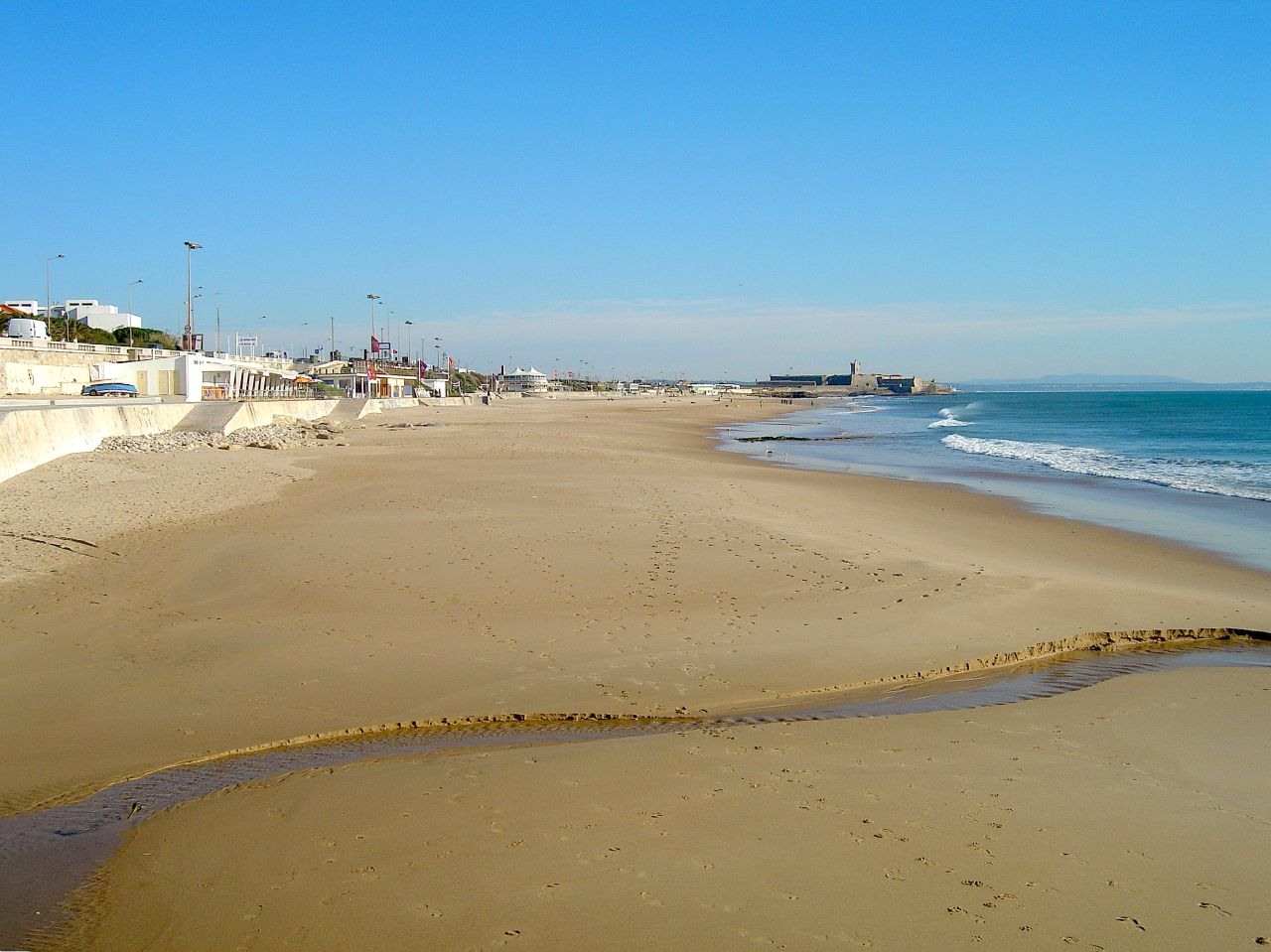
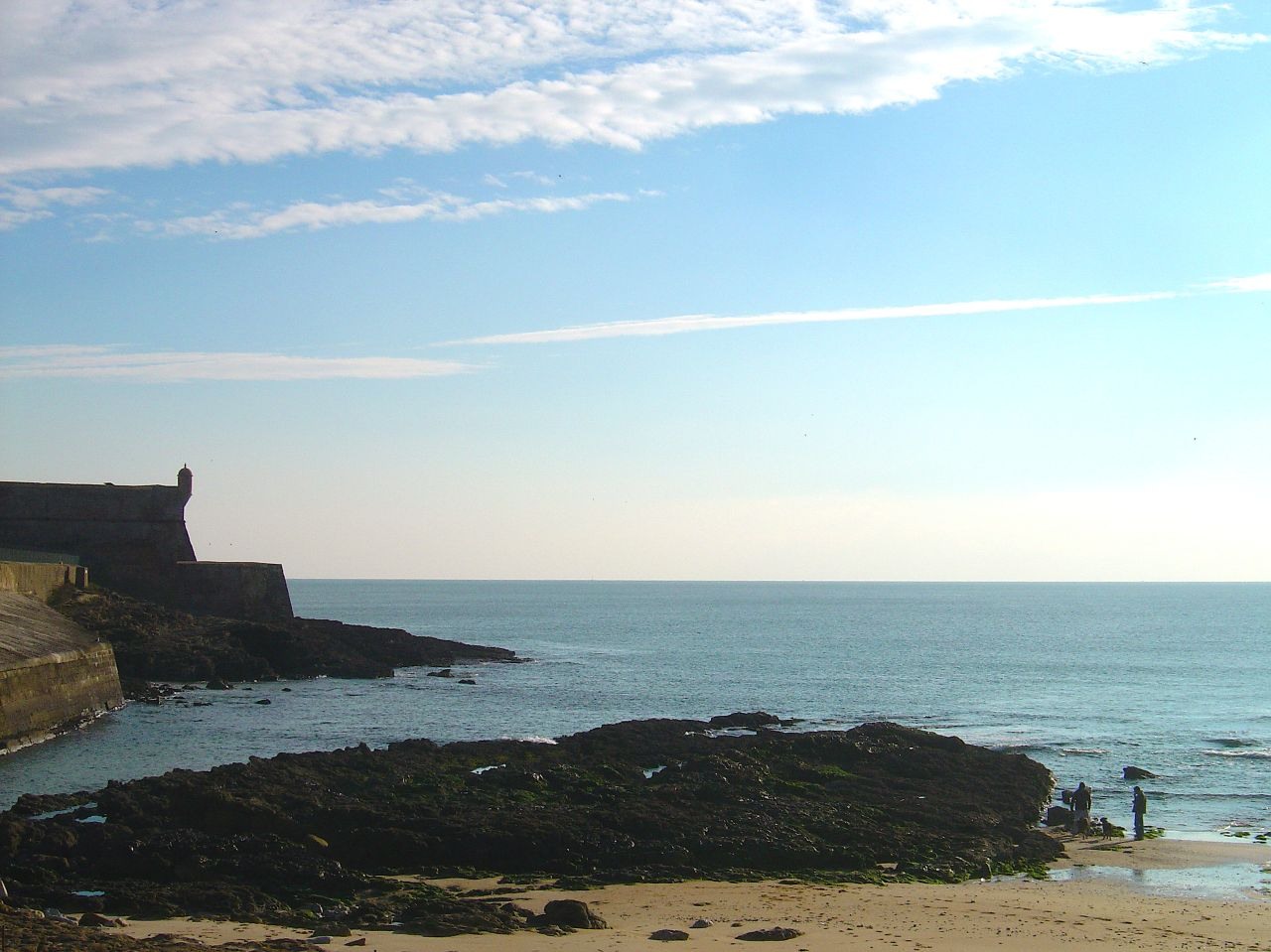
Carcavelos is the choice for a broad beach to become part of everyday life. The tourism authority describes its long sand and the São Julião da Barra fort at its eastern end. That setting gives this stop a different character from the smaller coves farther west: more open horizon, more space for a substantial beach walk.
The important distinction is between the town and the beach. Begin around the station and the older centre near Rua 5 de Outubro; then make the walk south yourself. Compare that practical, shop-oriented base with the residential streets on the beach side. A property advertised as Carcavelos does not automatically deliver a short barefoot walk to the sand.
We would put it high on the list for a beach-centred household, especially if Lisbon trips are occasional rather than a rigid twice-daily obligation. The compromise is the distance between useful anchors, plus traffic and seasonal beach activity. Visit on a weekend as well as a weekday. If your ideal morning is a pastry, a short errand and a very compact street circuit, neighbouring Parede may fit more naturally. If the beach is the reason for the move, Carcavelos is difficult to leave out.
7. Parede
Local shopping streets and a smaller-scale shore
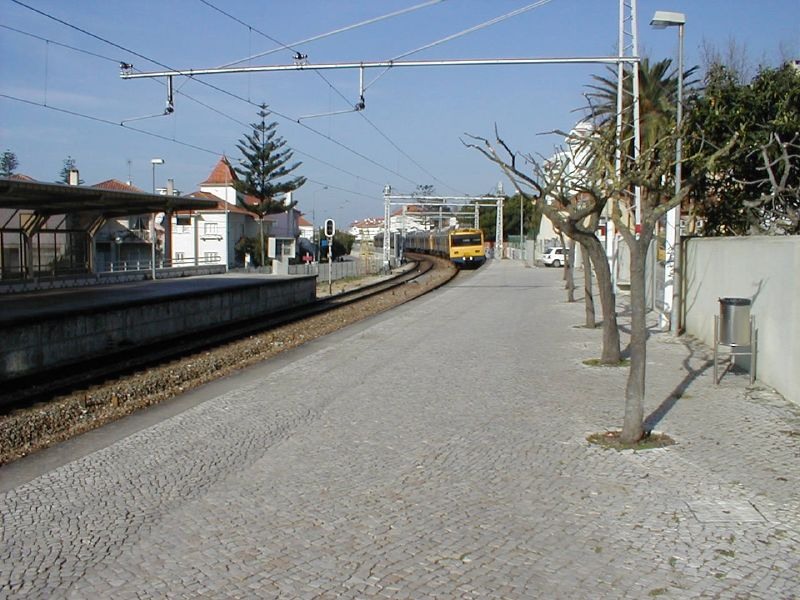
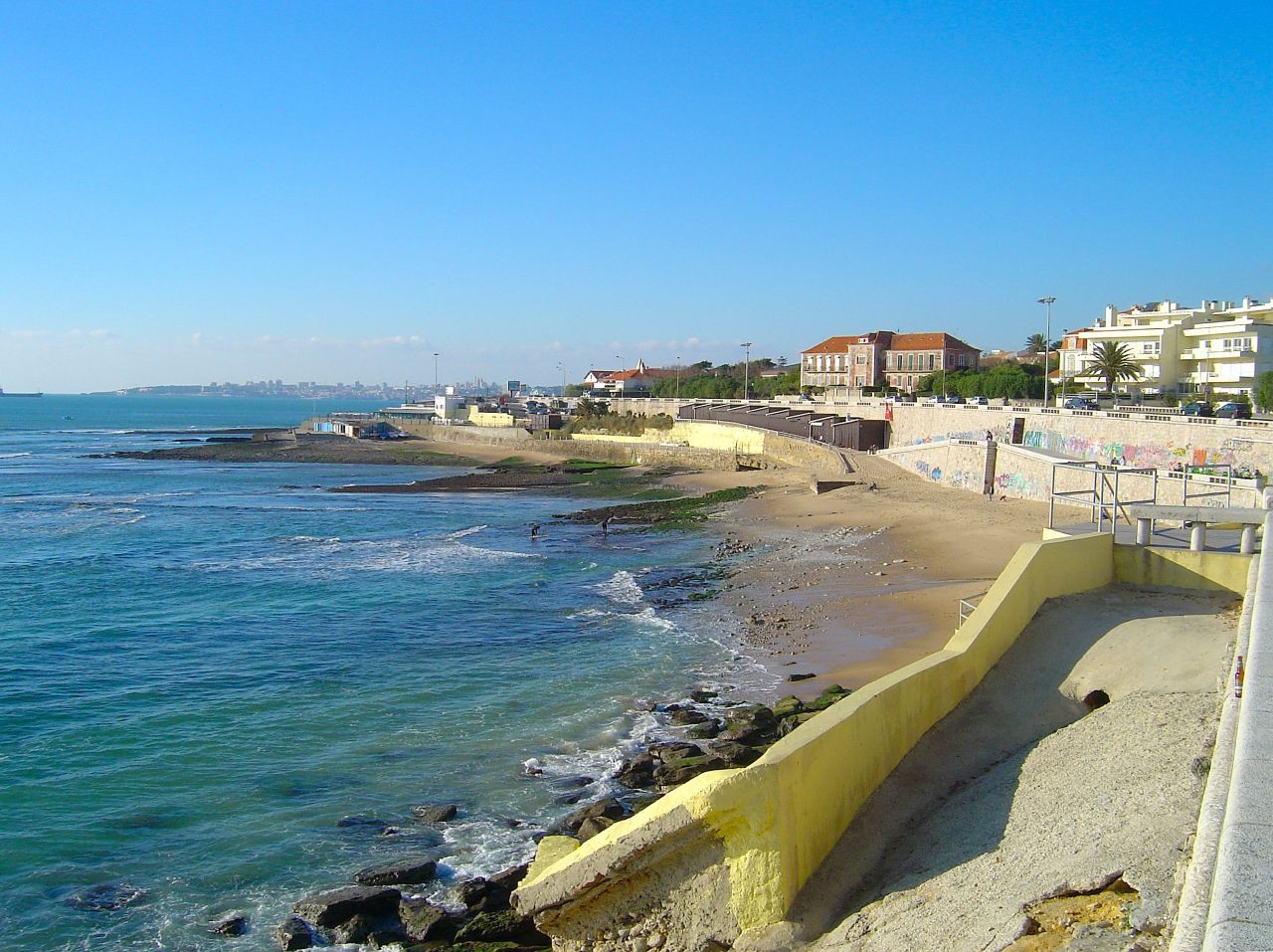
Parede is a strong candidate for someone who wants the coast without organising life around a resort centre. Explore the station's surroundings and Avenida da República, then follow the actual pedestrian route to the water. The pleasure is the combination of a local shopping circuit and a shoreline close enough to become a habit.
The beach landscape differs from Carcavelos. Parede's shore is rocky, while nearby Avencas offers a smaller beach setting; the official visitor information also makes the Marginal crossings part of the access story. Think about where you would sit, walk or swim at different tides, rather than assuming every seaside address offers the same experience.
Choose the precise side of the railway and the road deliberately. A quieter residential street can be lovely, but an inconvenient crossing may make a short map distance feel longer every day. We would test Parede against Monte Estoril: Parede for a straightforward shopping-and-station routine, Monte for a more romantic hillside setting. Neither requires you to spend every evening in Lisbon. That independence is a large part of their appeal, and an important condition for enjoying the coast over the long term.
8. Monte Estoril
The hillside enclave with the sea below
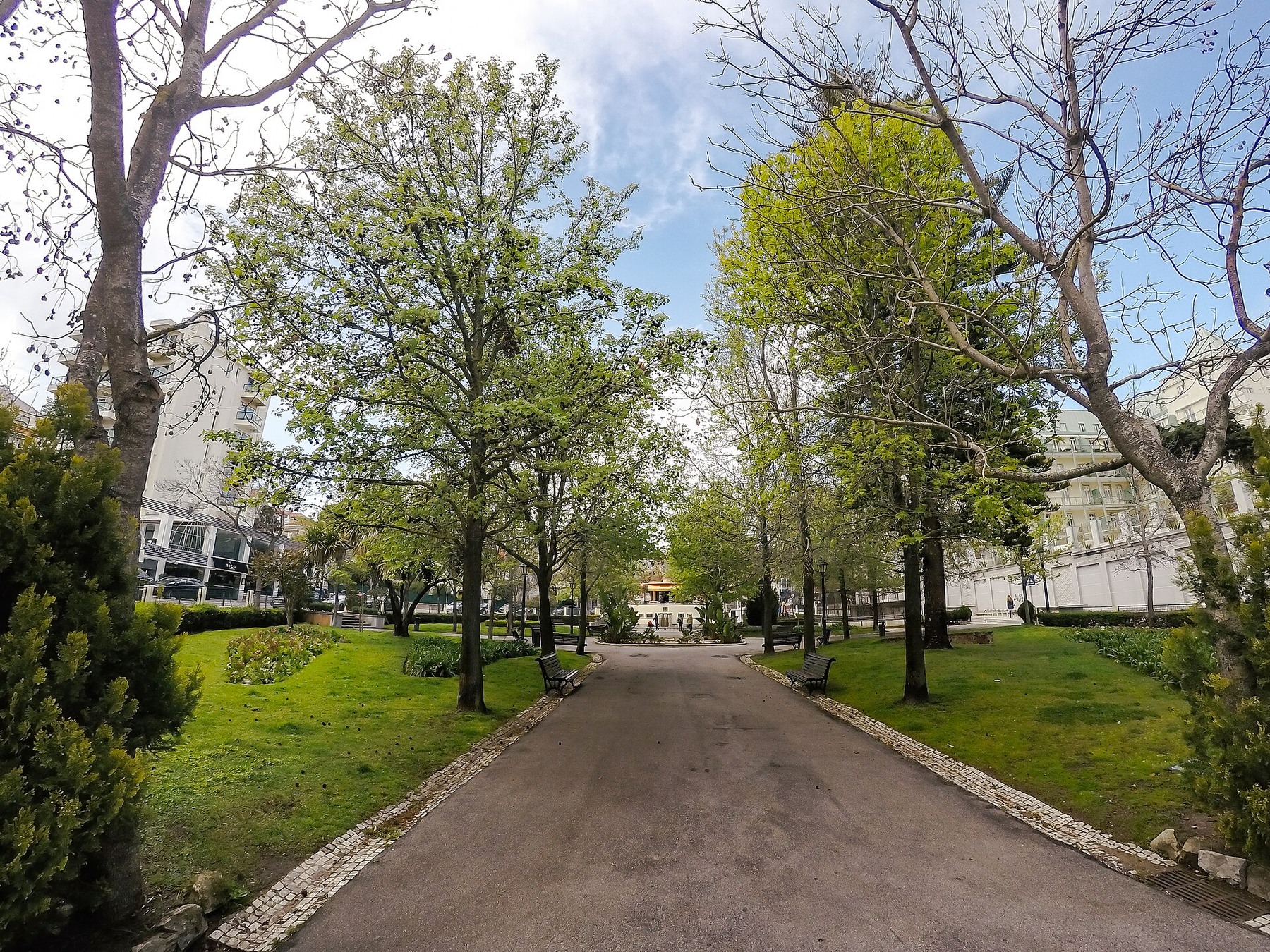
For an enclave with its own centre, Monte Estoril is one of the most persuasive choices. Start around Avenida de Sabóia and Jardim Carlos Anjos, usually called Jardim dos Passarinhos. The municipality describes the garden as a longstanding neighbourhood meeting place, with its pond, fountain, playground and much-loved aviary.
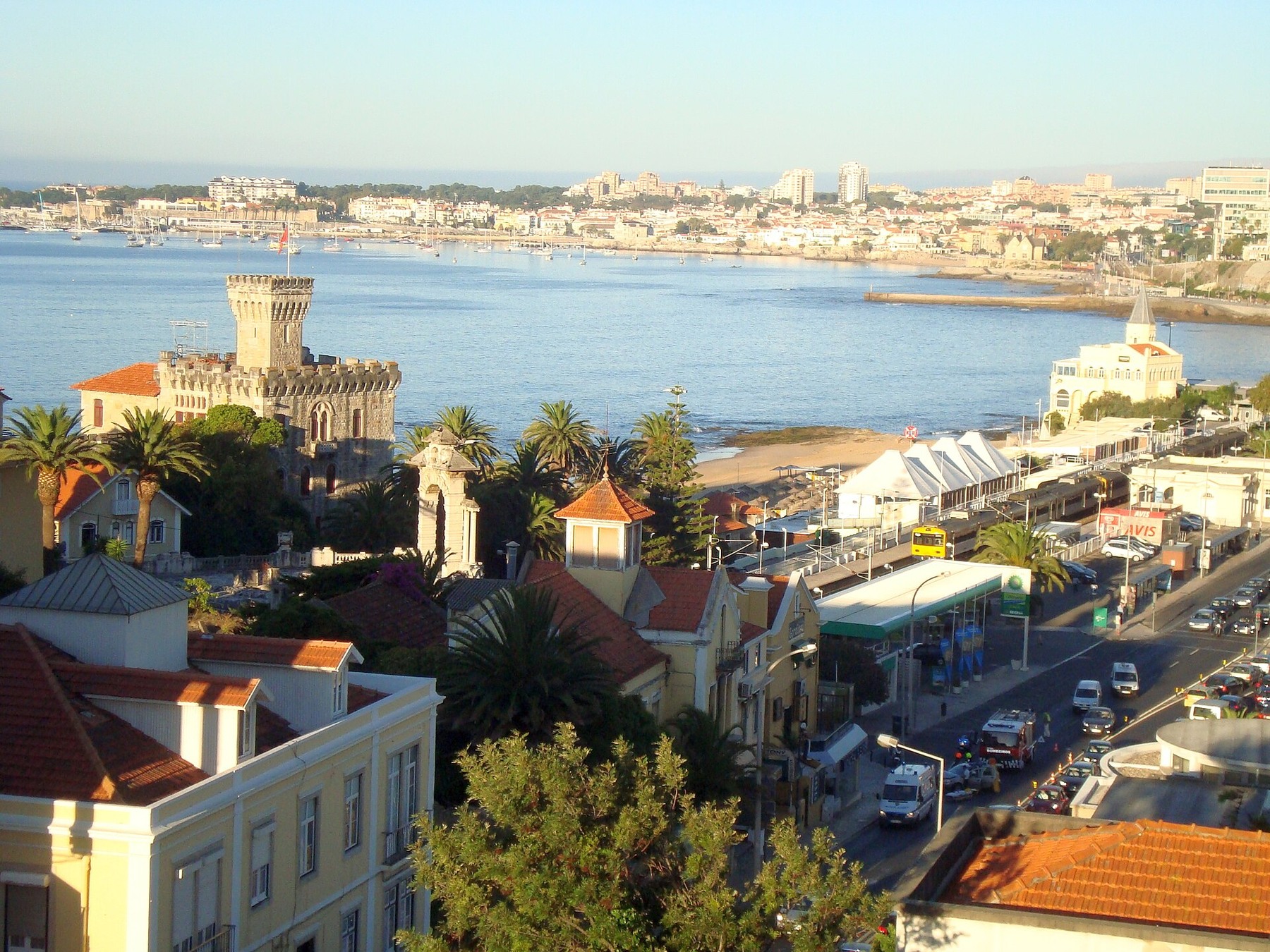
Then walk downhill to the station and the promenade near Praia das Moitas. The tourism authority locates the beach beside this coastal walk and identifies Monte Estoril station as its rail access. That garden-to-sea relationship is what makes the area compelling: morning coffee above, a walk by the water below, and a recognisable place to return to.
The hill is also the compromise. Make the uphill journey before imagining it as effortless daily life, and check how the exact street handles parking and through traffic. A home close to the Marginal or tracks deserves a very different noise assessment from one higher up. Monte Estoril suits someone who wants beauty woven into an established residential setting, and who can accept gradients and a longer journey to Lisbon in exchange. It would be one of our first coastal scouting stops.
9. Cascais
A real town, with room to choose your own version
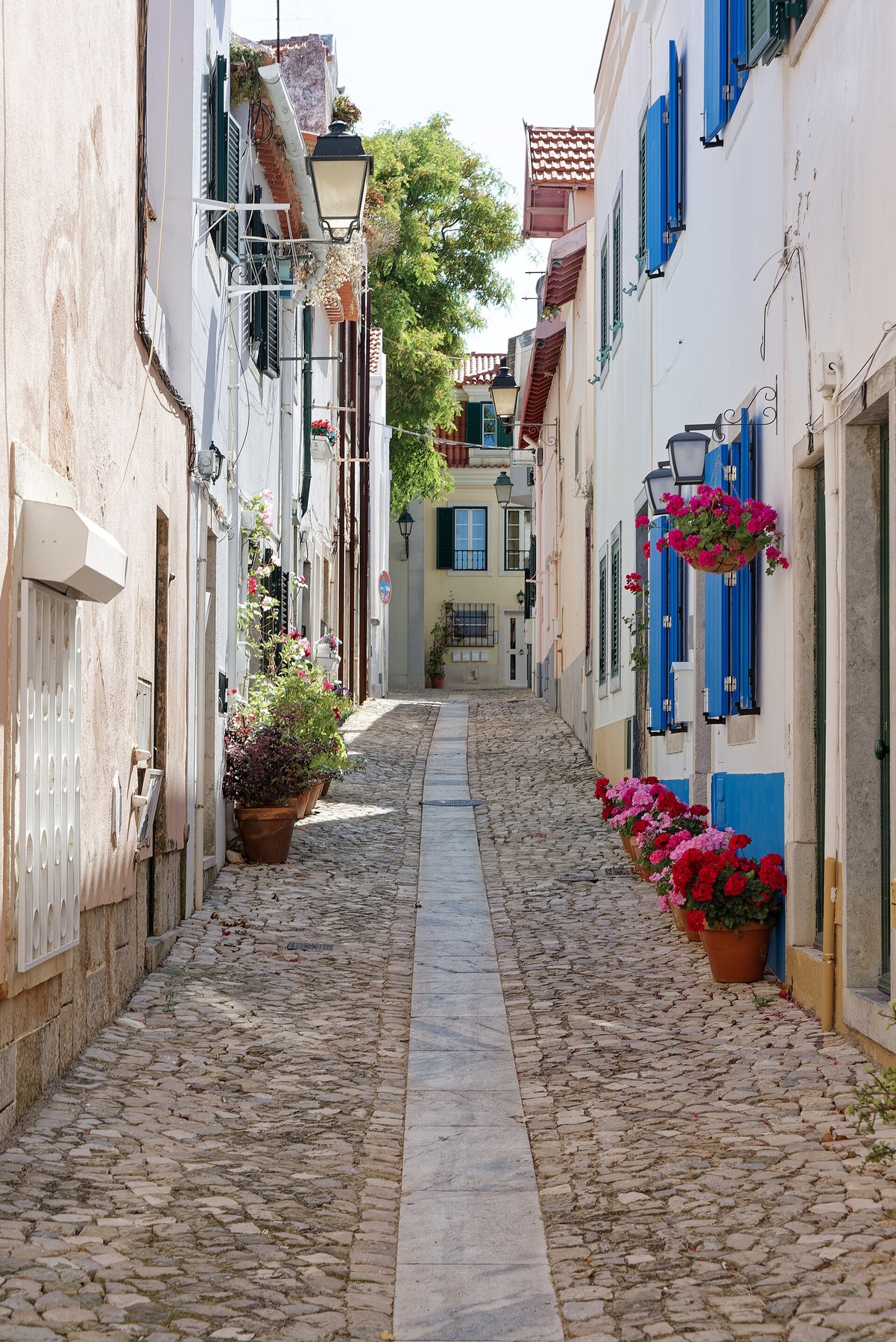
Cascais deserves more precise instructions than simply 'live near the centre'. Begin in the small streets around Rua dos Navegantes, then walk south towards Gandarinha and Parque Marechal Carmona. The park joins former estate gardens and gives this side of town a substantial green anchor. The combination of old streets, water and gardens explains the town's lasting appeal.
The central lanes are picturesque, but the same places attract visitors and evening activity. Before choosing an apartment above a restaurant, return after dinner. For a more residential comparison, look around Bairro do Rosário and towards Costa da Guia, then assess the longer walk to the station and old centre. You may prefer that daily life even if it is less immediately photogenic.
Birre and Areia belong in a different conversation: more of a house-and-garden search, with the open coast towards Guincho as an attraction and more reliance on transport. They are not interchangeable with a walkable central Cascais address. Our starting recommendation would be the quieter streets between the historic core and Gandarinha, provided groceries, station access and bedroom noise work in practice. Choose Cascais as a town you want to inhabit, with Lisbon available when you need it.
Choose the ordinary week
The first decision is city or coast. Campo de Ourique is our starting point for neighbourhood completeness; Alvalade for a practical weekday; Estrela for garden-centred life; Graça for historic-city energy. On the coast, compare Paço de Arcos and Parede for a compact local routine, Carcavelos for the beach, Monte Estoril for its hillside centre and Cascais for the fullest town experience.
Allow a proper journey test. CP's published daytime timetable puts Cais do Sodré to Cascais at roughly 40 minutes on the train, before either end of the trip. The current modernisation programme brings replacement buses between Caxias and Cascais late in the evening and during specified Sunday morning hours. CP has announced further timetable changes from 8 November 2026. Check the service for your real return journey, especially after dinner in Lisbon.
Give the apartment as much scrutiny as the street. Ask about heating, ventilation and signs of damp; inspect the bathroom and corners behind furniture. Check summer shade, winter light, lift access and rubbish-collection noise. A renovated kitchen cannot tell you whether the bedroom is comfortable in February. Spend a normal working week in your two finalists if possible, and make breakfast, groceries and an evening walk part of the experiment.
From NHR to IFICI
Portugal's original non-habitual resident regime, NHR, was repealed for ordinary new arrivals from 2024. Existing beneficiaries can generally finish their original ten-year period, and limited transitional protection covered certain people becoming resident by the end of 2024 with qualifying earlier commitments. That is not a general route for someone newly moving in 2026.
IFICI, the Incentive for Scientific Research and Innovation, is the more targeted opportunity. Its headline is a 20% rate on net qualifying employment or self-employment income for ten consecutive years, starting with Portuguese tax residence. Applicants must not have been Portuguese tax residents in the previous five years and must meet a qualifying activity route. It cannot be combined with, or follow prior benefit from, NHR; the former-resident regime also creates an exclusion.
Eligibility turns on the work and often the employer. Routes include specified research and higher-education roles, qualifying investment-related jobs, certain highly qualified professions, eligible R&D personnel and positions in certified startups. An attractive job title or a foreign employer alone is insufficient. For the highly qualified profession route, the implementing rules require the prescribed qualification and experience: broadly, a doctorate, or a bachelor's-level qualification plus three years of proven experience, alongside the relevant employer conditions.
The ordinary registration deadline is 15 January of the year after becoming tax resident: a 2026 arrival should work towards 15 January 2027. Late registration can leave only the remaining years of the original window. Have the employer and applicable certifying body confirm the evidence before relying on the relief. This is an eligibility assessment to complete before moving, not a benefit to assume after signing a lease.
Qualifying foreign-source income in categories A, B, E, F and G generally uses an exemption with progression. Pensions are outside that IFICI exemption, and income from listed preferential-tax jurisdictions can face 35% treatment. Employment performed in Portugal does not become foreign-source merely because the salary comes from abroad. Model each income stream and any home-country obligations. IFICI is neither an immigration permission nor a citizenship programme; it is a narrower tax incentive than the phrase 'NHR 2.0' suggests.
The changed passport horizon
The passport frustration has a concrete basis: the timetable many prospective residents planned around has changed. Under Organic Law 1/2026, effective 19 May 2026, ordinary residence-based naturalisation generally requires seven years of legal residence for nationals of Portuguese-official-language countries and EU member-state citizens, and ten years for nationals of other countries. These are eligibility thresholds, not promised dates for a passport.
The new framework also adds knowledge of Portuguese culture, history and national symbols, civic knowledge, a declaration supporting constitutional principles and a self-support requirement, alongside the language and other statutory conditions. Confirm the current evidence and implementing procedures for your route rather than relying on an old relocation brochure.
There is an important dividing line. Nationality administrative proceedings already pending when the law took effect remain governed by the earlier law. Simply having moved to Portugal, or having a residence-permit application underway, is not the same as having filed a nationality application.
The 2024 provision allowing residence time to include the period since applying for a temporary residence permit, if subsequently granted, was also repealed in the 2026 law. Have a Portuguese nationality lawyer calculate your qualifying residence from the actual documents and assess any transitional position. A universal 'clock starts on this date' shortcut is unsafe.
For families who arranged their lives around the earlier five-year route, the disappointment is understandable. Immigration permission, tax residence, citizenship eligibility, application processing and passport issuance are separate stages. Lisbon can still be an excellent home while the nationality journey is longer and less convenient than the one that first attracted you.
Still a beautiful place to live
The enduring case for Lisbon is easy to recognise on a good neighbourhood walk: the garden you cross without planning to, the familiar café, the tiled entrance that catches the afternoon light, the possibility of finishing work beside the water.
Portugal's administrative changes deserve clear eyes. They have not erased the beauty of living here. Choose a street and a daily life you would enjoy even if the tax advantage is smaller or the passport takes longer. That is a stronger foundation for a home than any programme's headline.
Reporting checked 29 October 2026. Neighbourhood choices are editorial judgments based on mapped geography and cited sources, not a first-person stay or a property inspection. Photographs are archival and do not establish present-day noise, access or construction conditions. Tax and nationality notes are general information; obtain advice on your specific circumstances.
Sources & photograph credits
- Lisboa: Mercado de Campo de Ourique2026-10-29
- Visit Lisboa: Casa Fernando Pessoa2026-10-29
- Metropolitano de Lisboa: current Red Line extension project2026-10-29
- Visit Lisboa: Jardim da Estrela2026-10-29
- Junta de Freguesia de Alvalade: neighbourhood markets2026-10-29
- Junta de Freguesia de Alvalade: commerce around Avenida da Igreja2026-10-29
- Visit Lisboa: Graça2026-10-29
- Turismo de Portugal: Praia de Paço de Arcos2026-10-29
- Visit Cascais: Carcavelos Beach2026-10-29
- Visit Cascais: Parede Beach2026-10-29
- Visit Cascais: Avencas Beach2026-10-29
- Cascais municipality: Jardim dos Passarinhos2026-10-29
- Visit Cascais: Moitas Beach and promenade2026-10-29
- Visit Cascais: Parque Marechal Carmona2026-10-29
- CP: Cascais Line works, replacement buses and 8 November 2026 changes2026-10-29
- CP: Cascais Line weekday timetable from 6 April 20262026-10-29
- Portuguese Tax Authority: EBF Article 58-A, IFICI2026-10-29
- Portuguese Tax Authority: IRS Article 81 and NHR transition2026-10-29
- Diário da República: Portaria 352/2024/1, IFICI implementation2026-10-29
- Portuguese Tax Authority: IFICI questions and examples2026-10-29
- Portuguese Tax Authority: IRS Article 18, Portuguese-source income2026-10-29
- Diário da República: Organic Law 1/2026, nationality amendments2026-10-29
- Ministry of Justice: nationality rules effective 19 May 20262026-10-29
- Diário da República: Organic Law 1/2024, former residence-counting rule2026-10-29
- Photograph: Campo de Ourique, 2009. A neighbourhood street and tram. JSBGuedes / CC BY-SA 3.02026-10-29
- Photograph: Mercado de Campo de Ourique, 2020. GualdimG / CC BY-SA 4.02026-10-29
- Photograph: Mature trees in Jardim da Estrela, 2021. GualdimG / CC BY-SA 4.02026-10-29
- Photograph: Crafts & Design market in Jardim da Estrela, June 2024. JnpoJuwan / CC02026-10-29
- Photograph: Avenida da Igreja, Alvalade, 2013. Paulo JC Nogueira / CC BY-SA 3.02026-10-29
- Photograph: Largo de São João de Brito, Alvalade, 2007. Vitor Oliveira / CC BY-SA 2.02026-10-29
- Photograph: The view across Lisbon from Graça, 2021. CrisLuiz / CC02026-10-29
- Photograph: Buildings on Rua da Graça, 2025. Philip Mallis / CC BY-SA 4.02026-10-29
- Photograph: Paço de Arcos waterfront; photograph uploaded in 2005. SoAres (attributed) / CC BY-SA 2.52026-10-29
- Photograph: Jardim Palácio dos Arcos, 2022. Hotel grounds; public access is not implied. GualdimG / CC BY-SA 4.02026-10-29
- Photograph: The broad sand of Praia de Carcavelos, 2006. Vitor Oliveira / CC BY-SA 2.02026-10-29
- Photograph: The eastern edge of Carcavelos beach, 2006. Vitor Oliveira / CC BY-SA 2.02026-10-29
- Photograph: Parede station, 2003. Archival view predating current rail works. ceiling / CC BY 2.02026-10-29
- Photograph: The smaller, rocky shoreline at Praia da Parede, 2006. Vitor Oliveira / CC BY-SA 2.02026-10-29
- Photograph: Jardim Carlos Anjos, Monte Estoril, April 2018. Rúdisicyon / CC BY-SA 4.02026-10-29
- Photograph: The coast between Estoril and Cascais, 2012. Apetrov09703 / CC BY-SA 4.02026-10-29
- Photograph: Rua dos Navegantes in central Cascais, June 2025. Jakub Hałun / CC BY 4.02026-10-29
- Photograph: The Santa Marta inlet, Cascais, 2018. Abspires40 / CC BY 2.02026-10-29
- Map: © OpenStreetMap contributors2026-10-29